


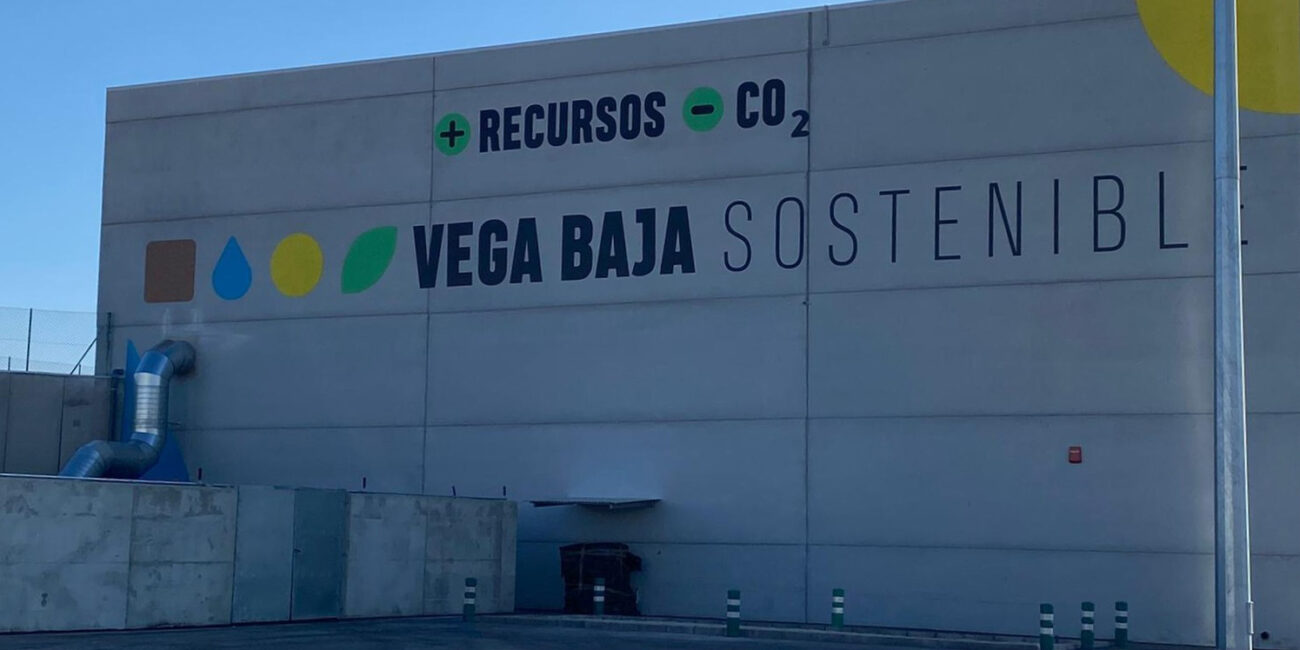
Waste generation in the Vega Baja region continues to rise, highlighting the growing necessity for a dedicated processing facility capable of treating and recovering local refuse. Figures released by the Consorcio Vega Baja Sostenible show that between January and June 2026, the body responsible for managing waste across 27 municipalities collected a total of 97,716.14 tonnes of waste. This represents an increase of 3,412.50 tonnes compared to the same period in 2025.

The volume of refuse has steadily climbed each month, driven by a growing resident population alongside expanding tourism. In July alone, the regional total reached 22,078.13 tonnes, marking an 8.22 per cent rise on the previous year.
At present, waste from both the residual fraction (grey bin) and organic fraction (brown bin) is taken to the Transfer Station in Dolores before being transported to processing facilities outside the area. Local officials point out that transporting refuse to external sites incurs significant financial and environmental costs, which directly affect residents.
Consortium president Francisco Cano noted that the organisation is the only entity in the province without its own dedicated plant. He highlighted that collection lorries are forced to make journeys exceeding 300 kilometres to treat collected material, causing substantial economic and ecological drawbacks for local councils and citizens.
To address these pressures, the consortium advocates building its own Mechanical Biological Treatment (MBT) plant to manage and recover waste locally. Alongside infrastructure plans, the entity is calling for town halls to work collaboratively with the consortium to promote the use of mobile and fixed recycling centres whilst developing joint policies to anticipate the region’s future waste management requirements.