




The Guardia Civil is looking into eight people as possible criminals in a computer fraud case involving smishing, a sort of social engineering that tricked a victim into sending more than 80,000 euros across 18 bank accounts.

The Guardia Civil’s internet portal received a complaint from the victim, which started the inquiry. The article says that it all started when they got a text message that looked like it came from their bank and told them about a fake transaction on their account. The message told them to act right away to halt the charge and gave them a phone number to call.
When the victim called that number, they heard a recording that sounded like their bank’s fraud protection programme. Then, a person pretending to be a bank technician helped them through a number of actions that were supposed to help them get their money back. The victim followed these steps and ended up sending more than €80,000 in transfers.
As part of Operation CIZUR, the Cyber Command’s Team led the investigation. Even though the money had been moved via a network of accounts that were meant to hide its path, agents were able to follow it. This study helped them find and look into eight people they thought might be involved who lived in the provinces of Madrid, Alicante, and Tarragona.
The Guardia Civil says that the operation also stopped all the accounts that were utilised for this kind of fraud.
What is smishing, and how do scammers work?
Smishing is when you get text messages or instant messaging that look like they come from banks, delivery firms, or other well-known companies. It wants to make the victim feel like they have to act right away by making them feel like they are in danger.
These messages typically have false websites or phone numbers that thieves use to play fake recordings that seem like real security or fraud prevention services. If the victim clicks on the link or calls the number, they could wind up giving over their bank information, passwords, or even putting malware on their device.
Advice on how to avoid various kinds of fraud
Because of these kinds of frauds, the Guardia Civil wants to encourage people to be careful of text messages that have links or ask for immediate action. They also say that people should always call banks using their official phone numbers and not the numbers given in messages that seem dubious.
It also suggests asking the bank to turn on better authentication mechanisms for payments and reporting any illicit behaviour right away, either online or in a Civil Guard post.
The Cyber Command is an internet service that is available 24 hours a day.
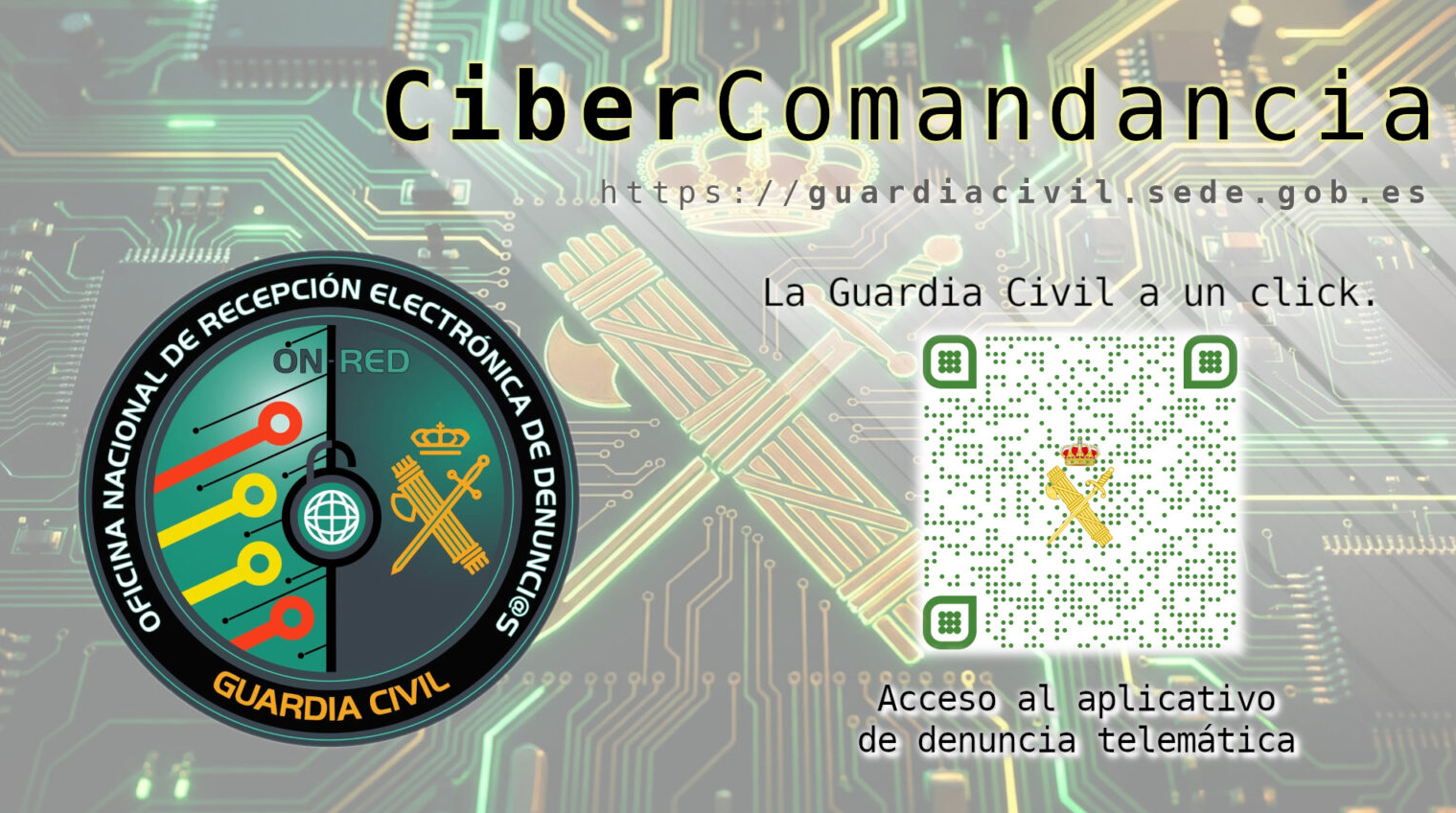
The Guardia Civil has set up a new unit called the Cyber Command to offer more services to the public online. This service works in cyberspace around the clock, every day of the year, and helps other public safety units.
People can report crimes including fraud, wrong charges made by computer, car theft, robberies inside vehicles, petty theft, and damage using the Guardia Civil’s electronic headquarters and an electronic certificate.