

According to the Councillor for Security and Police, Federico Alarcón, only 10% of the traffic control system’s cameras in Torrevieja currently operate. The system was installed in 2009 and originally featured more than a hundred control points when planned in the late 2000s, with expectations extending beyond traffic management to include security. However, some sources within the Local Police lower that percentage even further, maintaining that none of the traffic cameras are working at all.

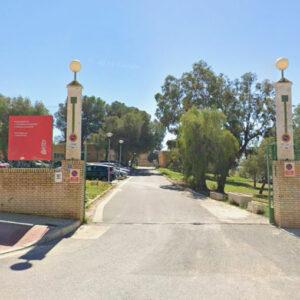
Apart from the traffic network, around 40 video surveillance cameras with more modern equipment are fulfilling their purpose by covering local assets, such as parks and municipal buildings. These have also decreased from the 73 initially available in 2012 to about 50, and they lack the centralised control for which they were originally designed. The system has been expanded in specific locations to prevent theft, such as at the Sports Complex, while approximately 30% of the Casagrande industrial park is now under municipal video surveillance.
At the start of the current term, a sum of one million euro was allocated in the municipal budget to address the complete renovation of the entire system. However, that money will ultimately be used to implement the specific video surveillance network planned for the city centre, which is necessary to activate the Low Emission Zone and includes the installation of 52 cameras. This network was originally to be financed with European funds, but an appeal by a company to the Contractual Appeals Tribunal rendered the city’s justification of the investment to Europe untimely. Although the company lost the appeal and vindicated the city, the City Council lost the funding.
In 2009, Torrevieja City Council pioneered the implementation of a video surveillance system in the province of Alicante with capabilities that extended beyond simply receiving video feeds. The more than one hundred cameras deployed along the main access roads, the coastal area, and the city centre were capable of reading licence plates and tracking a vehicle throughout its journey through the city—a feature that was groundbreaking for a local government at the time.
For the first few years, the municipality touted the effectiveness of the system, named Vyriato (Torrevieja Assertive Intelligent Video and Radar system). Its implementation was made possible by 1.5 million euro in funding from the government’s Plan E anti-crisis stimulus package, dividing the cost into ten contracts. In addition to the cameras, marine radars were installed alongside conventional cameras and acquired to detect high-speed vehicles.
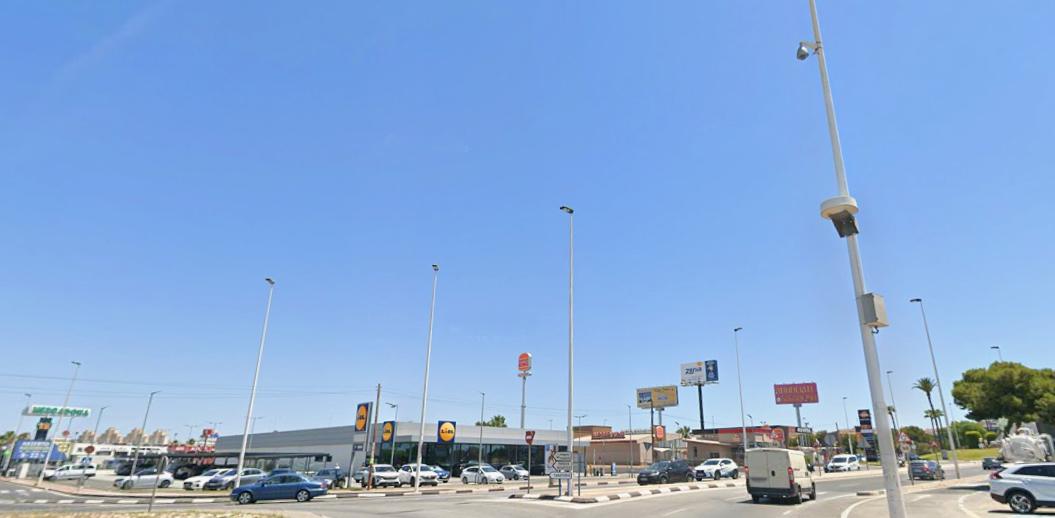
However, the speed cameras never became operational because the authorities did not approve them for traffic control, although they still stand on poles on the CV-95 near Carrefour and at the roundabout where Pinoso Avenue meets Gregorio Marañón.
The Vyriato system soon faced significant obstacles. These ranged from privacy restrictions imposed by state legislation—such as the prohibition of traffic cameras looking at beaches—to high maintenance expenses caused by exposure to a hypersaline environment by the sea. Additional issues included a lack of equipment and software updates, as well as a lack of personnel at the Local Police headquarters to monitor and control the cameras.
Despite these issues, the cameras helped solve several serious crimes thanks to recordings analysed by the Local Police and the Guardia Civil, including identifying the perpetrators of a kidnapping and robbery of a local restaurant owner couple. They also helped clarify the circumstances of several accidents involving victims in the town centre. In the case of heritage surveillance cameras, which still partially operate through alarm centres and outsourced services, the cameras reduced acts of vandalism by 90%.
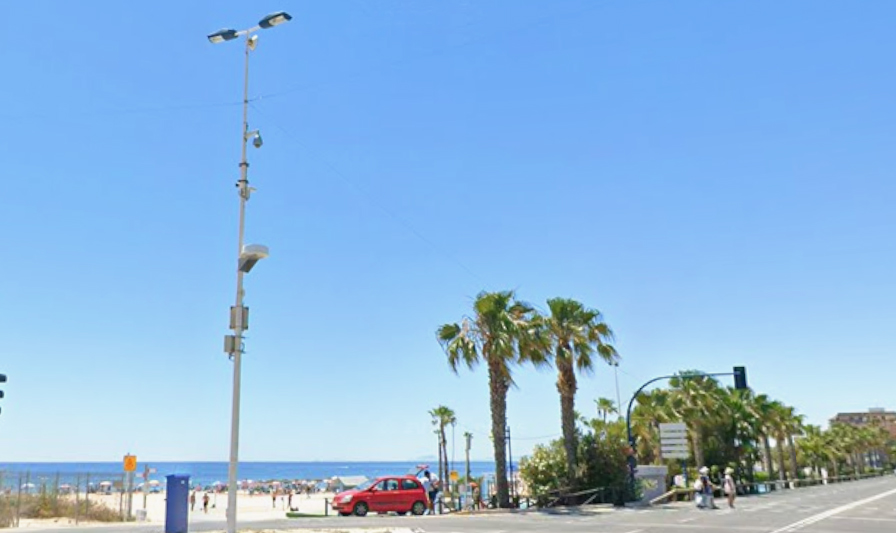
By 2015, a significant part of the system was already out of service. When Councillor Alarcón assumed his responsibilities in 2019, most of them were not working. Many now serve only a preventative role through their presence, though their outward appearance indicates they have been out of service for a long time, such as those located near Los Náufragos beach, Los Locos, or in La Manguilla, next to Alfredo Nobel and Avenida del Agua.