
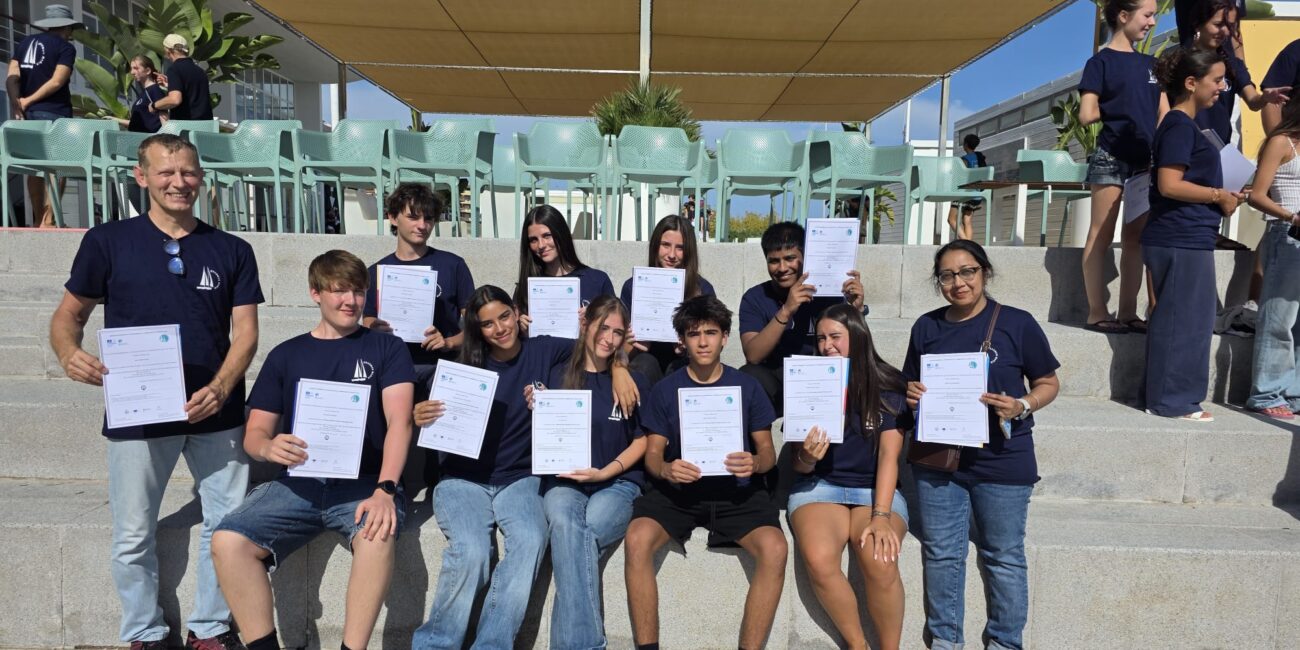
The Generalitat, through the Escola de la Mar in Borriana, is hosting the fourth edition of Erasmus Maris Week. This European citizen science initiative brings together scientists, teachers, and students to examine microplastic pollution across aquatic environments by blending educational workshops, laboratory research, and field activities at sea.

Organised by the Belgian association Ayam Sailing Europe in collaboration with the Joint Research Centre of the European Commission, the international meeting carries certification from UNESCO. The 2026 gathering in Borriana features educators and pupils travelling from Italy, Germany, Belgium, and, for the first time, Luxembourg.
Participants operate under a shared protocol covering sampling techniques, scientific analysis, and the reporting of findings. Fieldwork and laboratory tasks are carried out alongside nautical activities on board the Generalitat vessel, Tirant Primer. The overarching goal is to make coordinated progress across European nations towards eliminating marine pollution. Alongside Flanders, the Valencian Community serves as a testing ground for this educational and scientific framework, aiming to establish harmonised procedures that yield directly comparable data across diverse European locations. Quality assurance and control protocols provided via the Joint Research Centre help ensure robust monitoring and lay the groundwork for an expanded European-scale citizen science initiative.
This year’s event also marks the start of a partnership with Wings of the Ocean, a French organisation dedicated to countering marine pollution. Representatives from the group travelled to the Escola de la Mar in Borriana to train in the Erasmus Maris methodology as part of the UNESCO-IOC OceanTeacher Global Academy. Following this training, the Generalitat, Erasmus Maris, and Wings of the Ocean are preparing a pilot initiative in France to replicate the coastal and inland water monitoring framework developed in the region.
Inclusion remains a central component of the project. Students from the Sint-Elisabeth special education centre in Flanders have taken part alongside pupils from CEE Pla Hortolans in Borriana and other European schools. The Sint-Elisabeth learners manufactured the specialized nets used during the sampling process, which they were able to deploy directly during practical scientific exercises, sailing sessions, and educational workshops in Borriana.
Through this meeting, the Generalitat and Erasmus Maris continue to establish the region as an active hub for citizen science, developing replicable and standardised methods to track and understand microplastic pollution across international waters.
Other Articles
Torrevieja begins redevelopment of the Los Locos beach promenade