

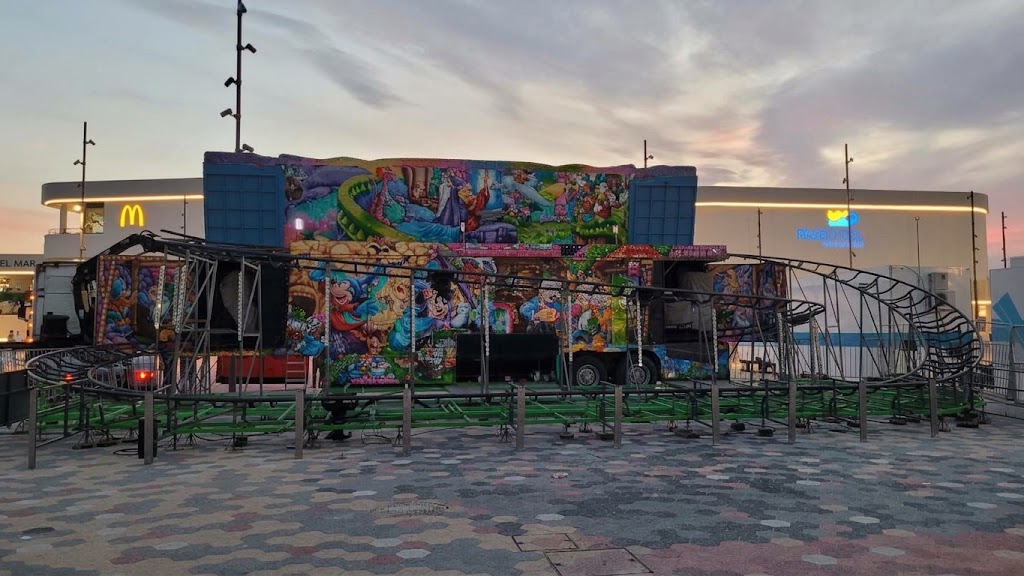
The Torrevieja fair has returned to the Port, but it has done so with only a single attraction out of the 16 or 17 that usually make up its offering during the winter months. An increase in municipal occupation fees, combined with successive delays in providing the new site, has halted the transfer of many fairground operators who had been temporarily based at Antonio Soria park for over three and a half years. Around 14 folded attractions—the largest ones—remain in that park, whilst the port esplanade features just one ride, the “Dragon”, along with two “hook-a-duck” stalls, three game booths, and a churros stall.

According to direct fairground sources, the main obstacle is financial. The occupation rate has risen from 5.60€ per square metre per month paid in early 2023 for the winter period to 21.50€ currently appearing on municipal bills. This new price represents nearly 3.84 times the previous rate, an increase of 283%. For now, this figure is applied regardless of the time of year, making no distinction between high tourist season and winter months when ride activity drops considerably. Furthermore, occupation is billed for full months, even if installation and opening occur after the period has started.
Under these conditions, a single medium-sized attraction must pay between 4,500€ and 5,000€ per month solely for space at the venue. Staff costs, Social Security, electricity, maintenance, and operational expenses must be added to that sum.
Rate increases and delays
The new rate came into effect after several months of uncertainty regarding the actual return date to the port. Commitments given to the operators by Torrevieja Town Hall, including Mayor Eduardo Dolón and the councillor responsible for Public Way Occupation, Federico Alarcón, involved a series of missed deadlines. Initial dates of 15th July, 1st August, and 1st September were set, followed by 1st October. The final forecast allowed attractions onto the site on 26th September to begin assembly for an opening on 1st October and the Pilar bank holiday weekend. When asked about the move during a cabinet meeting, Alarcón acknowledged that fees had risen but said he did not know the exact percentage. He noted that rates now match those paid by front-line hospitality terraces along sea promenades and explained that the increase recovers part of the municipal investment in the port area—a condition of economic balance required by the Generalitat for the municipal canopy fee.
By 1st October, site handover was still incomplete. Final confirmation permitting setup only arrived on the afternoon of Monday 5th October. The first attractions entered on Tuesday 6th October, and operations began on Thursday 8th October following mandatory inspections and certification. These delays directly influenced decisions not to return. Assembling certain rides requires three to four days of work alongside mandatory pre-operation inspections by Certified Control Bodies (OCA). With the Pilar bank holiday imminent, many businesses lacked sufficient time to guarantee opening for commercially vital dates. Facing a full October monthly fee despite missing the most lucrative initial days ultimately deterred numerous operators.
Dissatisfaction amongst operators
“It is not nearly as nice as they paint it,” sources stated, contrasting the reality with the public image of satisfaction presented by the Town Hall, which claimed professionals were very pleased to return to the Port. Most businesses forming the permanent fair remain at Antonio Soria without having started to move.
The situation is particularly difficult for around a dozen families who made Torrevieja their residence and sole workplace decades ago. Some abandoned other circuits and gave up travelling to winter fairs to settle permanently in the municipality, establishing families and operating several ride businesses.
Reduced turnover and ongoing uncertainty
The past four years have brought significant financial strain. The temporary move to Antonio Soria park, prompted by port transformation works, reduced turnover for many businesses to approximately a quarter of previous levels, despite being exempt from space occupation fees for much of that time. Summer operations were further disrupted by venue closures for concerts and festivals on peak trading days.
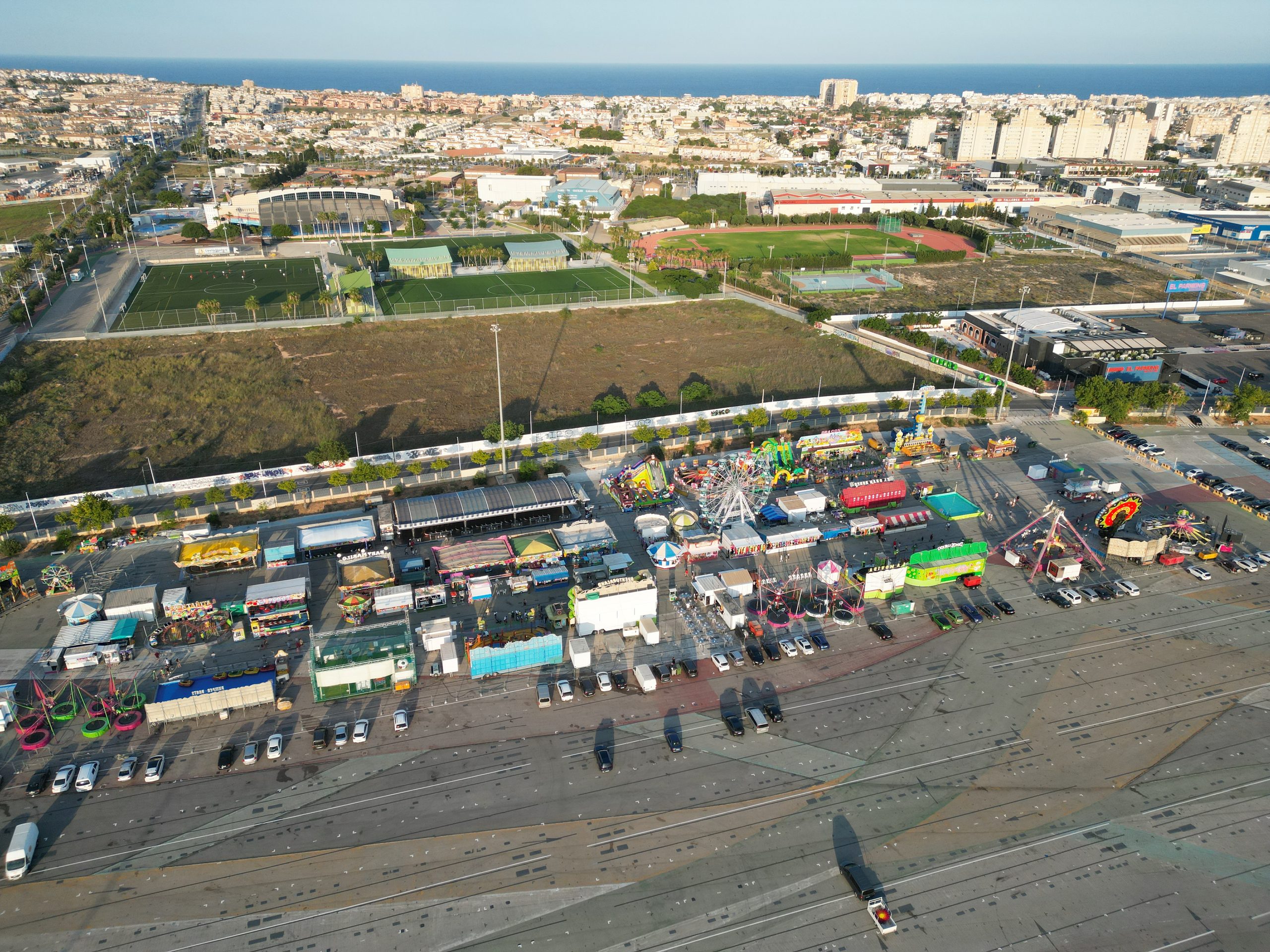
The return to the port was intended to end this phase, but new economic conditions have left many traditional operators unable to set up. In a meeting with professionals, the Mayor pledged that all who had to leave the old location could return, and that those choosing not to set up now could do so later during Easter or summer. Nevertheless, concerns persist that vacant spaces may ultimately be occupied by outside operators.
An 80% winter fee reduction promised by Eduardo Dolón during the last election campaign to maintain the fair year-round has not materialised with the new opening. While the current model may be manageable during peak tourist months, it hinders operations in November, January, or February when demand is low and weather can further restrict operating days.
Future ordinances and operational issues
Town Hall is considering modifying the tax ordinance in early December to introduce seasonal price differentiation, alongside a specific ordinance for fairground operations. Proposed options include reducing the winter rate to around 8€ per square metre, setting an intermediate rate of 14€ or 15€ during Easter, and increasing summer fees to balance lower winter revenue. However, these figures are not yet approved, and the 21.50€ rate remains active until new regulations take effect. Delays could push changes into early 2027.
Concerns also extend to site infrastructure. Attractions opened without direct mains electricity or water supplies. To obtain power, operators rely on owned or rented generators, incurring extra fuel and maintenance costs, as the large generator in the central site building is designated for the leisure centre. Town Hall has granted a payment window of two months and twenty days for bills, allowing October charges to be settled in December, though this offers no cost reduction.
Additionally, the positioning of the few transferred businesses currently obstructs the main signage for fast-food franchise restaurants inside the leisure centre. Nearby residents have also begun questioning potential noise levels once all 80 summer activities are fully operational closer to residential buildings than the original location.