

The Asociación de Vecinos Vial Aeropuerto de Elche has lodged a formal complaint with both the Provincial Prosecutor’s Office of Alicante and the General State Prosecutor regarding the rapid spread of vehicle storage compounds around Alicante-Elche Miguel Hernández airport. The neighbourhood association is calling for an official investigation into potential planning and environmental violations, focusing particularly on facilities operating across the rural districts of Torrellano and El Altet, whilst noting that districts such as Balsares, Saladas, Santa Ana and Jubalcoi are also affected. Although the organisation acknowledged recent interventions by the local council, it warned that numerous unauthorised facilities continue to operate freely.

The complaint, submitted on 15 September by the association president, Juan José Mateo Rocamora, urges authorities to examine the administrative and planning status of the plots being used for airport parking services, alongside the historical authorisations granted over recent decades. The association estimates that roughly 100 hectares of rural land have been repurposed into large-scale vehicle compounds. The submission relies on municipal records released by Elche City Council, administrative paperwork, media reports, audiovisual files and detailed land registry references to establish whether these operations hold valid permits and adhere to their authorised scope.
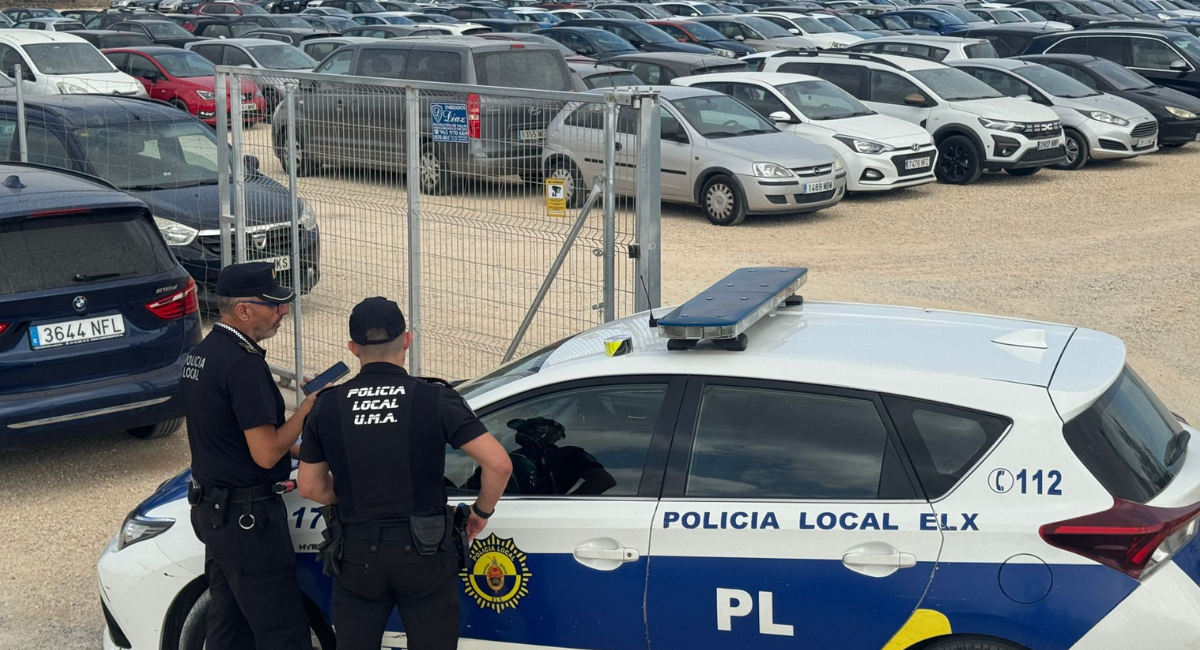
Municipal figures cited in the document reveal that Elche City Council had identified over 100 compounds by late April 2026, a figure that climbed beyond 110 by 26 June. By that point, the local authority stated that approximately 81 inspections had been conducted by the local police and municipal technical teams. Earlier figures from May showed that out of 26 initial inspections, merely two sites held valid operating licences. The association has highlighted the need to scrutinise historical provisional licences, particularly around 30 temporary permits issued in 2005, to verify if sites have expanded beyond their original boundaries or altered their approved activities. Scrutiny was also requested for licences issued between 2002 and 2007.
The document highlights previous municipal action that resulted in the closure of three facilities between June and July 2026. According to municipal data, the first closed site in Torrellano covered around 20,000 square metres without a licence, while a second in Torrellano Alto had expanded across nine plots to hold 3,650 vehicles. A third site was shut down on 30 July after continuing operations despite an existing order to halt activity. Between them, the three closed premises accommodated more than 4,500 vehicles. By 10 August, only three of the more than 110 identified facilities had been closed, though a fourth closure notice was announced earlier this week.
Local residents have raised significant concerns regarding the physical alteration of rural land. Extensive earthworks, ground levelling, gravel compaction, asphalt paving, fencing and artificial surfacing have raised fears over ground permeability, natural water drainage, heavy traffic congestion and broader environmental impacts. The submission calls on investigators to verify whether the plots comply with environmental, hydraulic, planning and airport zoning regulations. It also points to public remarks from municipal representatives regarding historical planning decisions and requests that prosecutors assess how early authorisations were processed. Alongside the submission to prosecutors, the matter was formally reported to the nature protection service SEPRONA of the Guardia Civil, who confirmed receipt of the dossier for evaluation.