

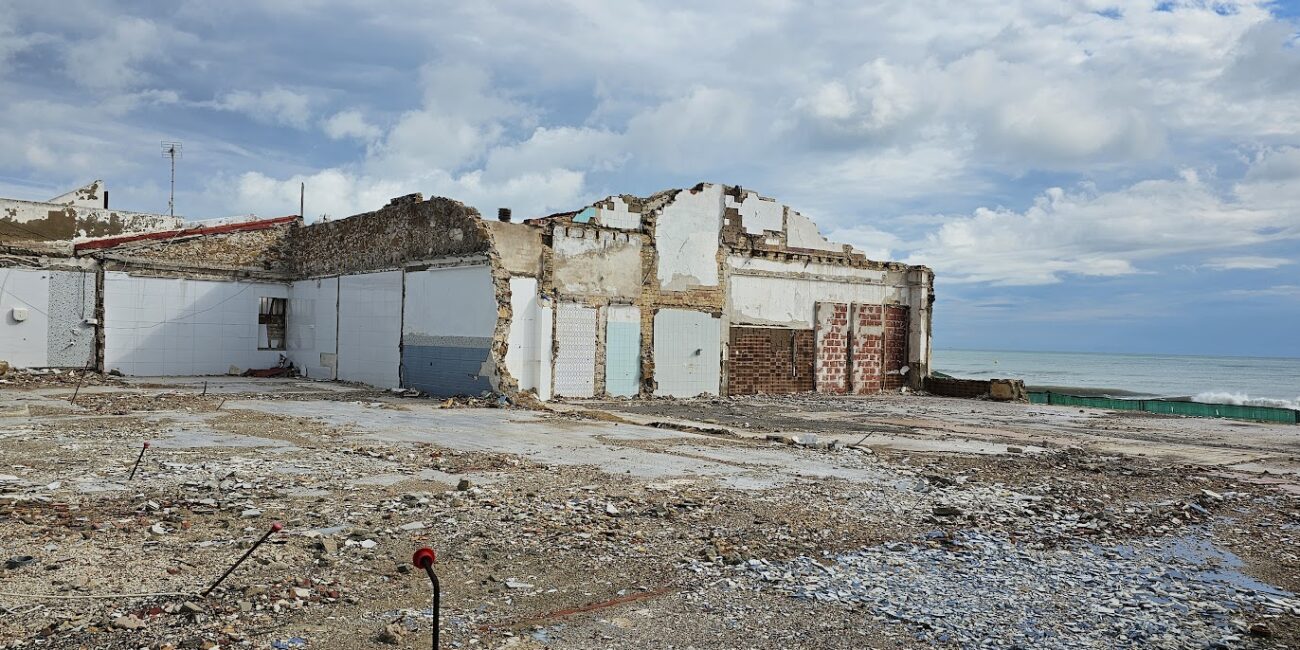
The Babylon houses of Guardamar del Segura will not enjoy their last summer in 2025. It probably won’t be the summer of 2026 either. The Spanish government has finally decided to submit an appeal of unconstitutionality against the Valencian Coastal Law with the Constitutional Court. This is instead of the first choice of filing a jurisdictional dispute with the same court.

The deadline was February 26th, and the Council of State had to give a positive report for it to happen. However, the advisory body itself had some legal problems. The central government’s appeal, which has been pressing for the residences to be torn down since 2018 (the state set a deadline of September 15th, 2025, for the demolition), will, ironically, make sure they stay up until the Constitutional Court makes its decision. The High Court usually takes at least a year to make a decision, so this ruling isn’t likely to come out for at least that long. It can take two, three, or even longer to conclude a case, depending on the type of appeal.
Abilities
The appeal of unconstitutionality before the Constitutional Court (TC) is based on article 17 and the first final provision of the Valencian Coastal Law, which was passed in May 2025. This law creates the term “urban centres of special ethnological value,” which could include buildings in the public maritime-terrestrial domain, which is the exclusive responsibility of the State according to article 132 of the Constitution.
Before appealing, the central government and the Catalan regional administration worked out their differences over 30 parts of the regional statute in the bilateral cooperation committee. The document from the regional government talks about taking over state authorities, but the central government won’t give them up because they are already set out in the 1988 Coastal Law.
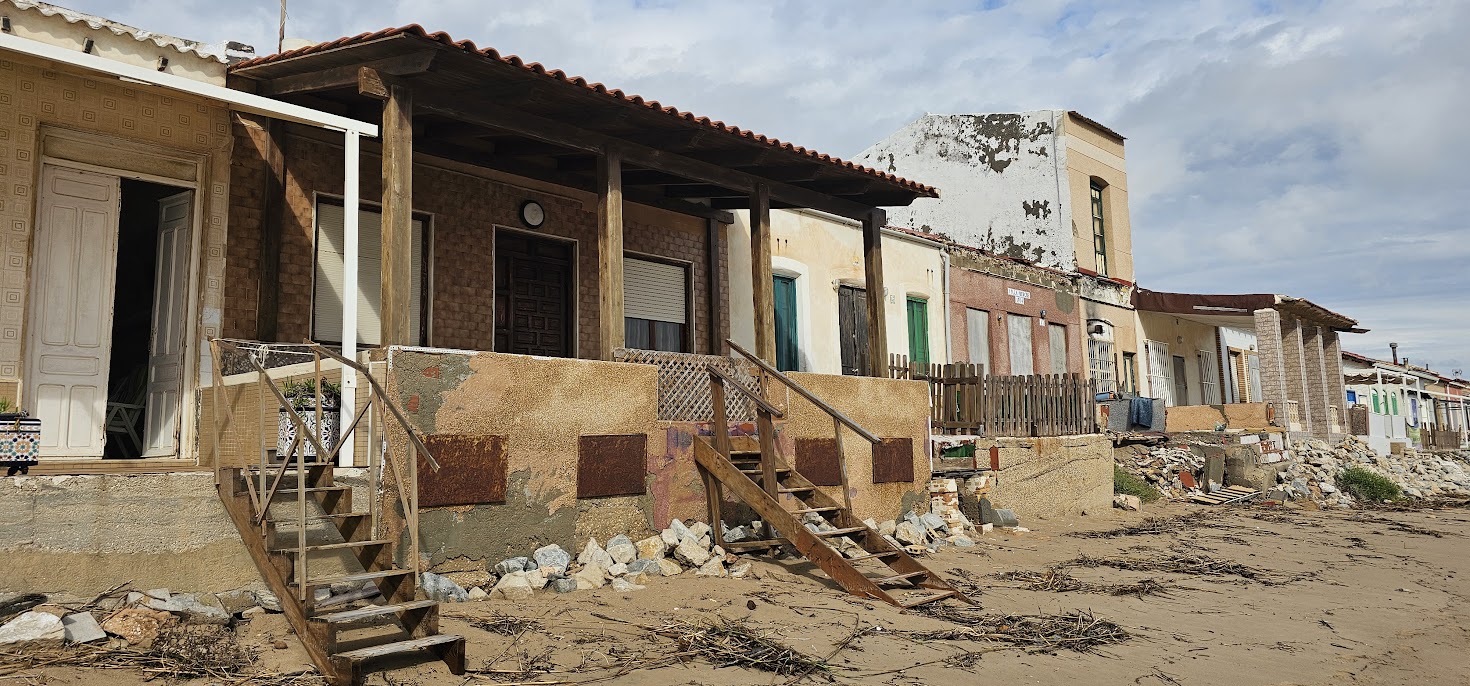
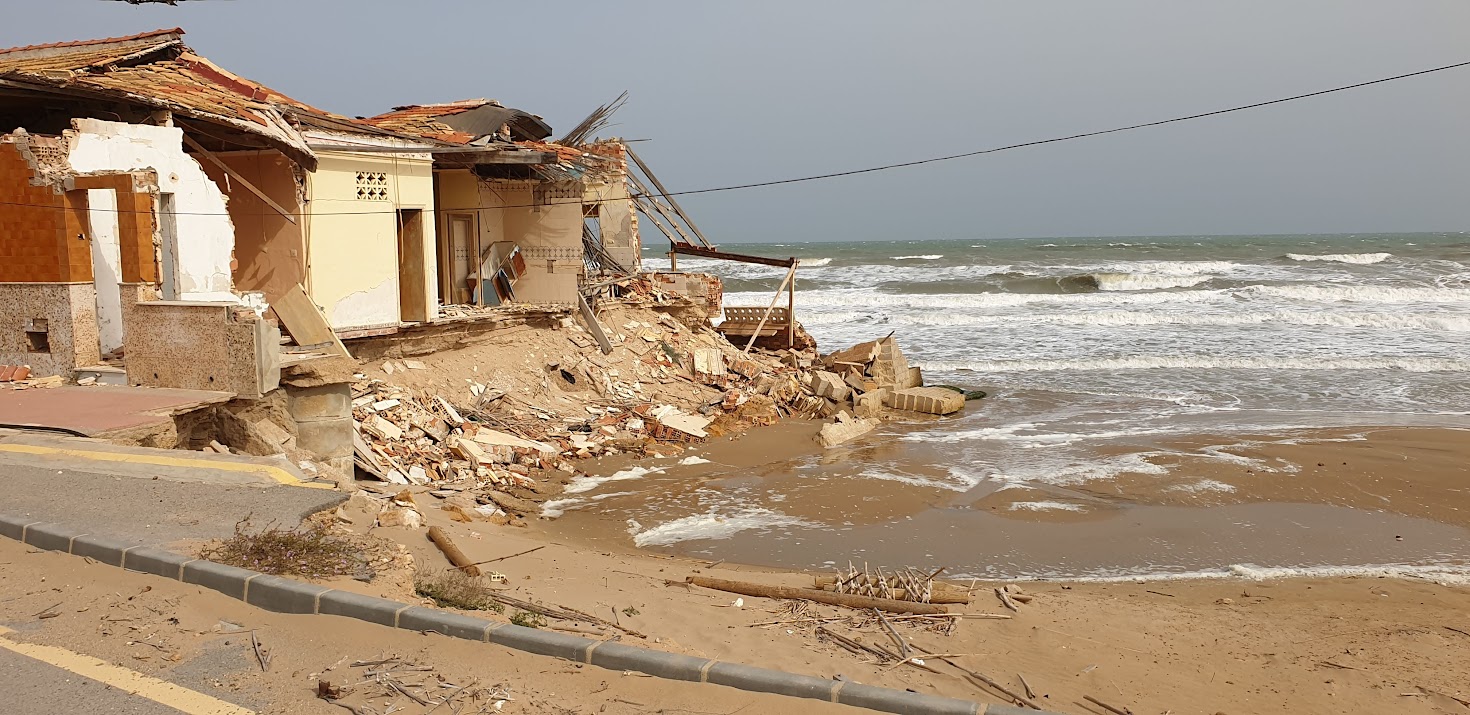
The residents of these houses in Babilonia, built on the sand in the early 20th century, have only been able to get this legal help because they are determined and fight for it. The Prime Minister’s signature confirms this. There are about 80 single-story residences in a row on the beach, next to the current Avenida Ingeniero Codorniu, and they look out over Babilonia Beach in Guardamar del Segura. Their porches facing the sea are their most distinctive feature. They are also an example of what could be called the first residential tourism development in the municipality of Guardamar at the beginning of the past century. The Directorate General of the Coast and the Sea, on the other hand, denied the extension of the beach occupancy concessions in September 2019. They said they were no longer valid because they had reached the maximum thirty-year period and ordered their demolition. The people who live there remember that the Coastal Authority didn’t say no to the concessions outright. Instead, they had to ask the National Court for a clear decision, which gave them more time but turned down all of the extensions that came after that.
Details
The technical assessments showed that the decision not to extend the permit was based on the effects on the landscape and ecology of a dune ecosystem that is part of the Natura 2000 network and is considered a Site of Community Importance. Scientists at the Center for Studies and Experimentation of Public Works (CEDEX) say that the houses block the beach and speed up erosion. They also talked about how dangerous storm surges are for people who live there, as what happened with the storms that came from the east in late 2016 and early 2017.
Effect
The Babilonia Neighbourhood Association, which includes the affected residents, says that structures that have a big effect are getting extensions to their public domain concessions. The huge Luz Mar building on Los Locos beach in Torrevieja stops silt from getting to the coast. The Montegira building on La Mata beach in Torrevieja has been ordered to be torn down by a court for two decades. The people still believe that coastal erosion is caused by the bad design of the western breakwater at the mouth of the Segura River. They say that technical reports back up this assertion.
In March and May 2023, the National Court and the Supreme Court both said that the Coastal Authority’s decisions were valid. But on July 6th, 2025, the residents’ organisation asked that the residential complex be recognised as an urban centre with particular ethnological value under the new Valencian Law. They made this request after the date for the destruction had already been fixed and after they had worked out a deal with the Coastal Authority to pay for the work themselves, which would have saved them money if the Authority had done it. On July 21st, the Valencian Government agreed to the request for processing. Then, on September 5th, only days before the scheduled demolition date, they put a temporary stop to all action.
The Ministry of Territorial Policy and Democratic Memory has chosen to file an appeal of unconstitutionality instead of the positive conflict of powers that the government spokeswoman said would happen by the end of 2025. The Council of State says that this choice to appeal the text of the Law “does not fully comply” with constitutional doctrine, which lets people challenge procedural acts through conflicts of powers. Still, the high advisory council thinks that annulling the articles of the Valencian Law is the right thing to do.
About the process
After the appeal is filed, that part of the law would automatically be put on hold. This would stop the administrative process from continuing to declare the buildings as sites of ethnological value. But the ruling says that there could be procedural problems over whether this suspension can apply to agreements made before the appeal was filed.
The council thinks that the process for protecting the historic centre is stuck because the central government has appealed, and the Generalitat (Valencian regional government) has not yet sent the necessary information to the Guardamar Town Council. The Town Council also says that at least 10 property owners want to go ahead with the destruction to save money, and they think the Constitutional Court would agree with the Coastal Authority’s decision.
The Council of State says that the Valencian Coastal Management Law violates the State’s exclusive right to set the legal framework for the public maritime-terrestrial domain. This right has been upheld by the Constitutional Court several times under the Constitution. The regional rule would go against protecting cultural heritage assets in the public maritime-terrestrial realm because the eleventh supplementary provision of Law 22/1988 on Coasts already does that. But this rule only applies to buildings that have a concession. This means that everyone who is affected will have to tear down their building because they don’t have the right permit.
Change the Coastal Law
The study itself says that between March 2024 and April 2025, measures were submitted in the Spanish Parliament to change the Coastal Law and let historic coastal urban settlements stay on public maritime-terrestrial land. So yet, none of the People’s Party’s bills have been accepted.
People with broken hearts are protesting the tearing down of houses on Babilonia beach in Guardamar.
If the appeal is successful, the Constitutional Court will have to decide whether the Law’s provisions are constitutional. This will decide the future of the buildings in question and set a precedent for how far regional governments can go in coastal concerns.
The people living there are also hoping for a change of administration and the election cycle because the PP promised to reform the state Coastal Law if they win, which would save their homes.
Other Articles
