



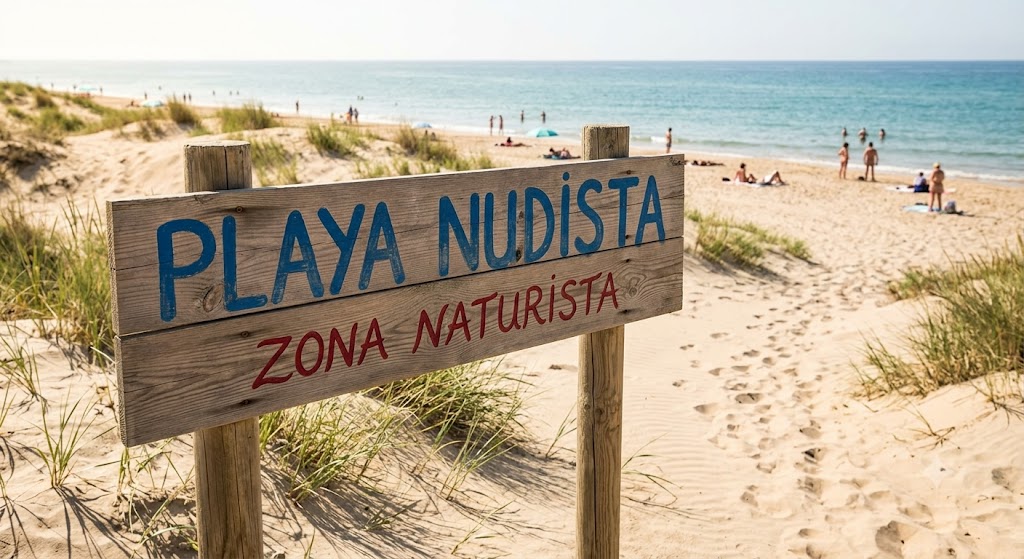
The Valencian Community features around fifty beaches and coves with a nudist tradition distributed between Castellón, Valencia and Alicante. Although nudism has been legal in Spain since 1989, regulation depends on each town council and only some municipalities have specific ordinances.

An open debate regarding Les Platgetes de Bellver, in Oropesa, has once again brought a common question among many bathers to the table: Is it legal to practise nudism on any beach?
The answer is yes, though with nuances. Since 1989, the Spanish legal system has not prohibited nudism on beaches or in other public spaces. However, town councils can regulate this practice through municipal ordinances and, if there is no rule limiting it, nudism is permitted.
Precisely the absence of specific regulation in most municipalities has helped the Valencian Community preserve around fifty beaches and coves with a nudist tradition, many of them used for decades by naturists.
Nudism depends on municipal regulations
State legislation recognises the practice of nudism but leaves it in the hands of councils to regulate it through local ordinances.
In those municipalities where there is no specific rule, any person can practise nudism without it constituting an administrative offence. This criterion has been backed in various judicial rulings, such as the one that annulled a sanction imposed on a resident of Aldaia for walking naked in a public space because there was no ordinance prohibiting it.
Villajoyosa, a national benchmark
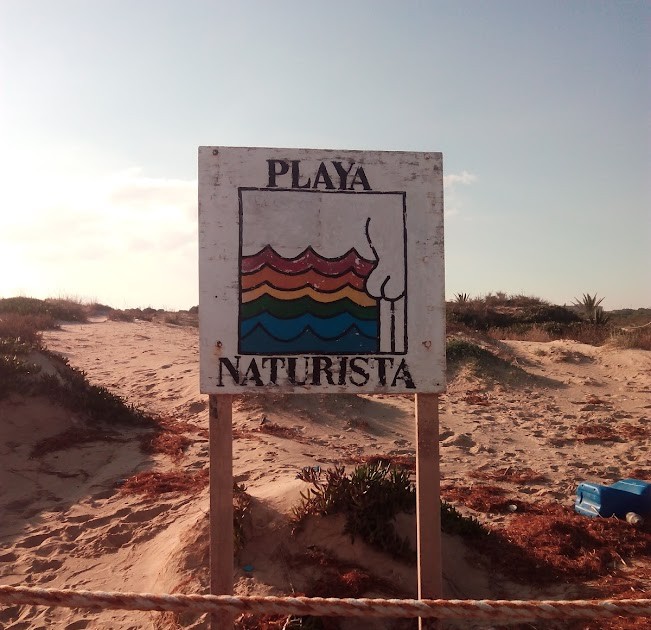
One of the most prominent examples is Villajoyosa, whose municipal ordinance has been recognised by the Spanish Naturist Federation as a management model.
The municipality does not prohibit nudism on any of its beaches and expressly protects the naturist tradition of enclaves such as Raco del Conill and l’Esparrello, in addition to promoting their signage and tourist dissemination.
Castellon features some of the quietest naturist beaches
In the province of Castellon, numerous enclaves traditionally frequented by naturists stand out, including:
- Les Platgetes de Bellver (Oropesa).
- Riu de la Senia (Vinaros).
- Cala Sol de Riu (Vinaros).
- Cala del Volante (Peniscola).
- Playa del Russo (Peniscola).
- Torre la Sal (Cabanes).
- Torrenostra (Torreblanca).
- Casa Blanca (Almenara).
Valencia gathers some of the best-known nudist beaches
The province of Valencia concentrates several of the most popular sandy areas for the practice of naturism:
- El Saler.
- Pinedo (L’Arbre del Gos).
- La Devesa.
- Mareny de Sant Llorenc (Cullera).
- El Dosel (Cullera).
- El Brosquil (Cullera).
- L’Ahuir (Gandia).
- Corinto-Malvarrosa (Sagunto).
- L’Aigua Blanca (Oliva).
Alicante offers some of the most spectacular naturist coves
The Costa Blanca also has numerous spaces with a nudist tradition, many of them in protected natural environments:
- Raco del Conill (Villajoyosa).
- L’Esparrello (Villajoyosa).
- El Carabassi (Elche).
- Playa del Rebollo (Guardamar del Segura).
- Cala Ambolo (Jávea).
- Cala Sardinera (Jávea).
- Portitxol (Jávea).
- Cala dels Testos (Benitatxell).
- Mascarat Norte (Altea).
- Coves of Tabarca.
A natural heritage coexisting with increasingly diverse tourism
Naturist associations warn that the increase in tourism and the arrival of visitors who are unaware of the tradition of these beaches is gradually modifying the use of some spaces.
For this reason, they demand that signage and information about those beaches with a nudist tradition be maintained to guarantee coexistence between all users and preserve a practice that has formed part of the social and tourist heritage of the Valencian coast for decades.
If you want to know more about nudest beaches near Torrevieja, we have a guide already available here.