


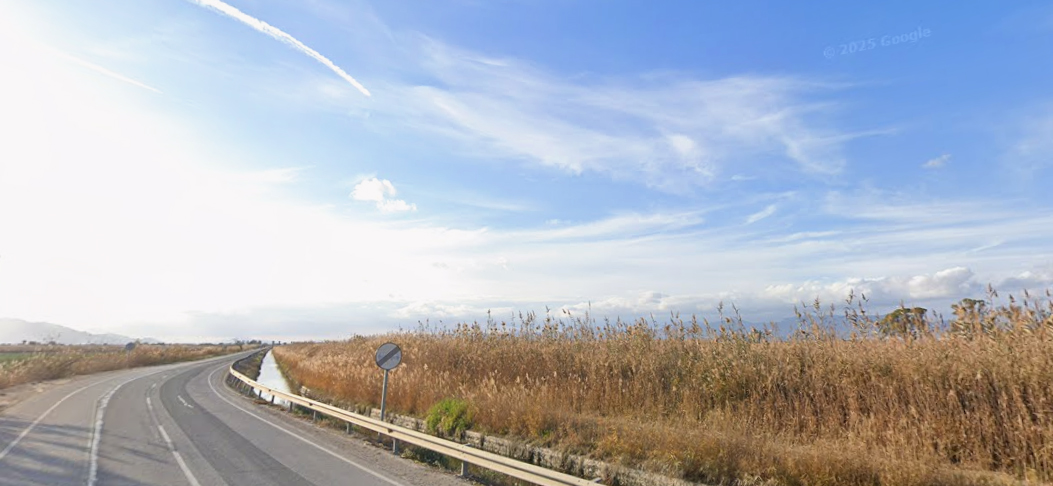
A lack of water in an irrigation ditch near El Hondo Natural Park in Elche could be behind the deaths of thousands of fish. Landowners at Pantanet de Santa Fe reported the alarming scene after witnessing dead fish accumulating for days next to their property. They attribute the problem to poor water quality and the scarcity of water resources in the ponds, although the precise causes remain under investigation.

Antonio Serrano, a landowner in Azarbe de Dalt adjacent to the natural enclave in Elche, stated he has not seen a similar situation in the area for a decade. Although periods of intense heat are common, he believes the current crisis stems from the minimal amount of water flowing through the drainage channel. He estimates that approximately 30,000 kilograms of fish are currently rotting in the water.
Serrano informed the Carrizales irrigation community of the issue and suggested the problem may be connected to hydraulic works being carried out in the neighbouring municipality of Dolores along the Cebadas irrigation canal. The Segura River Basin Authority confirmed that an environmental agent was sent to assess the impact, determining that the area falls under the jurisdiction of the Júcar River Basin Authority.
Officials at El Hondo indicated that the situation is unrelated to the park itself, attributing the mass die-off of species such as carp, mullet and eel to high temperatures combined with oxygen depletion. José Navarro Pedreño, professor of Environmental Science at the Miguel Hernández University of Elche and president of the governing board, explained that such phenomena are not unusual in southern Alicante during periods of intense heat. Higher temperatures reduce water retention capacity, accelerate the decomposition of organic matter, and affect runoff from agricultural irrigation.
He added that when water flow slows down, aeration is hindered and the water heats up further. This scenario can result in hypoxia, a drastic drop in dissolved oxygen, or anoxia, where oxygen disappears entirely. Increased temperatures also elevate the metabolism and respiration of fish, causing them to require more oxygen at a time when it is least available, ultimately leading to suffocation.
Fernando Antón, president of the Carrizales Irrigation Community where the ditch is situated, shared similar concerns. The community prefers not to point to a single cause while investigations continue. River wardens were initially contacted to establish whether the incident was caused purely by drought or by illegal dumping, referencing a previous incident in spring 2024 when the Consell investigated pesticide poisoning that killed hundreds of fish in El Hondo. Antón noted that one hypothesis for the reduced flow involves works funded by the Provincial Council of Alicante on infrastructure transporting water from Dolores to Carrizales, which may have temporarily restricted the supply.
Affected landowners express frustration over the lack of a clear explanation for the water shortage. Beyond the immediate fish kill, there are fears that local trees could also die due to the water deficit. They believe the construction work was carried out at an inopportune time given the current heat and lack of rainfall. Furthermore, claims have been made that El Hondo wishes to drain a pond, but the Regional Ministry of Agriculture, Environment, Climate Change and Rural Development has yet to grant the necessary permits, preventing any water replenishment.
The affected ponds sit within the territory where Elche melons are grown, bordering the Santa Pola salt flats. These waters feed local hunting and fishing grounds within the El Hondo district. The irrigation ditches begin their route in this area and flow through the Elche municipality before reaching the coast in Santa Pola.
The loss of oxygen in the ponds prevents farm operators from renewing their resources, wiping out what would normally serve as the annual harvest for local fishing businesses. Farm owners and local fishers are the most severely impacted by the loss of aquatic fauna. Although no direct damage to nearby homes has been reported, residents remain concerned as the affected section of the irrigation ditch lies just 600 metres from residential buildings.
Other Articles

National police arrest four over tourist mobile thefts
First automatic bus pass top-up machines installed in Denia