



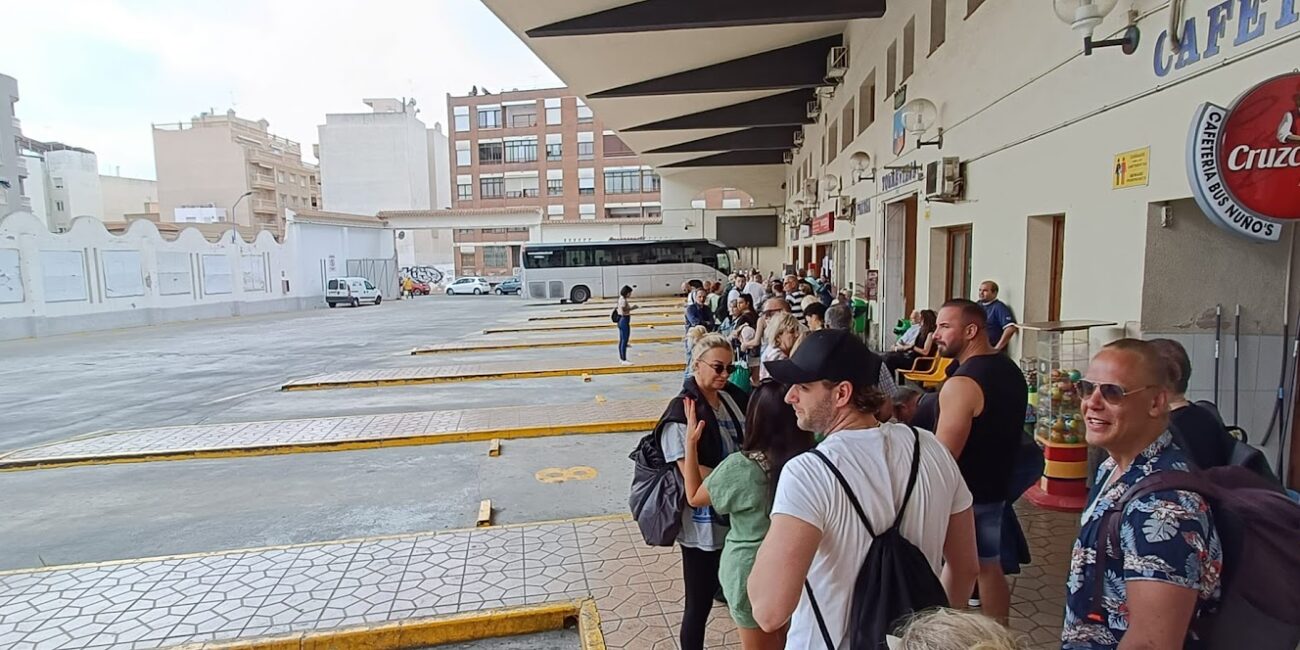
Travelling on the regular bus line between Alicante, Santa Pola, Guardamar del Segura, Torrevieja, Orihuela Costa, and Pilar de la Horadada remains a very different experience depending on the day, time, and how busy the bus is. Following a summer marked by uncertainty and delays, the intercity corridor running along the southern coast of the province has expanded its service with the Generalitat’s CE-704 route, operated by Avanza. However, queues, delays, closed ticket offices at the Alicante station, and difficulties boarding certain buses continue to be common complaints among passengers.

Users report that it is necessary to reserve a seat before travelling because, when the bus arrives full, priority is given to those with reservations or who have previously purchased tickets. Passengers intending to use their cards or discounted passes directly may have to wait until staff check whether any seats are available. When a bus is full, Avanza does not add another vehicle for that route, even for passengers who hold tickets, leaving them to wait for the next service.
Passengers using this essential service—given the lack of rail connections along the southern coast between Alicante and Pilar de la Horadada—have complained for months about long queues at stations, delays beyond announced departure and arrival times, and accumulated journey delays. Complaints also highlight discrepancies between services at intermediate stops, where some buses make certain stops while others continue without stopping.
Avanza maintains that the Torrevieja to Alicante line operates at an optimal level of service and exceeds the minimum requirements set by the Generalitat. The company asserts that it offers more than 24 daily trips in each direction, although it admits that peak occupancy levels occur during times of very high seasonal or hourly demand.
The company also points to traffic on the N-332 as a major factor, attributing timetable deviations and irregular frequencies to road congestion between Alicante and Pilar de la Horadada, and states that it is implementing flexibility measures to reduce the impact on travellers.
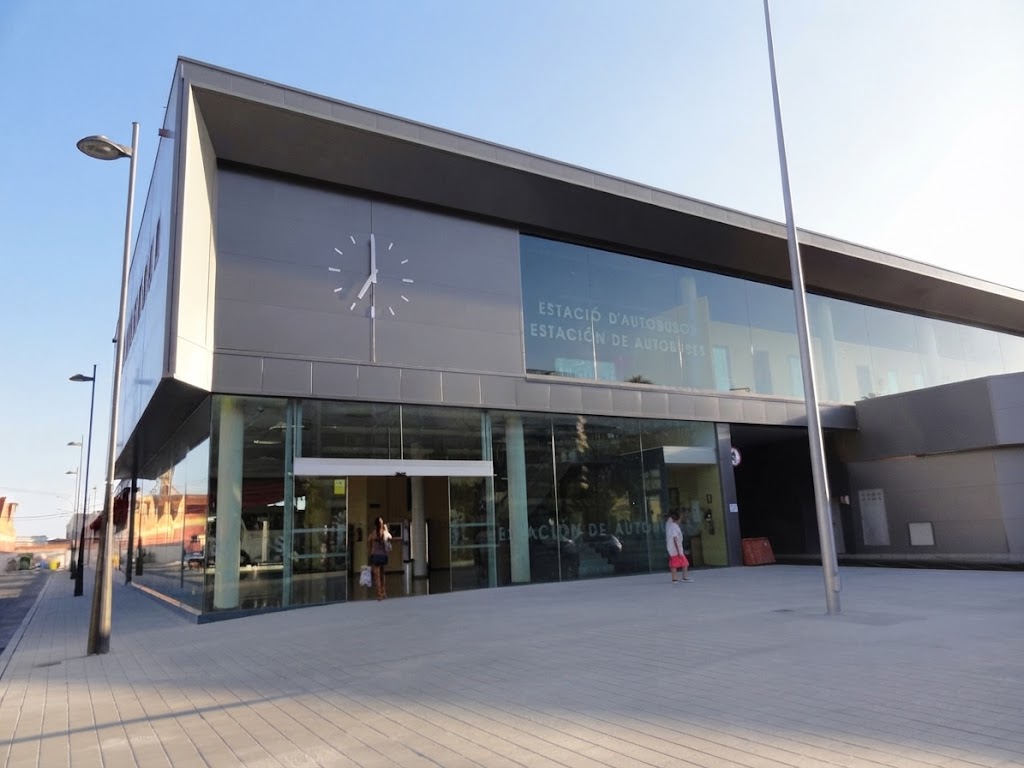
The N-332 experiences heavy congestion, with average daily traffic volumes reaching up to 50,000 vehicles in the summer. Traffic is particularly dense with frequent traffic jams at the Rocío del Mar roundabout in Orihuela and Torrevieja, the Torrevieja bypass, the section between Guardamar and the La Marina bypass, and the stretch between northern Santa Pola and El Altet, with Gran Alacant noted as a notably problematic point. When a bus experiences delays early in its journey, these can increase due to passenger boarding and alighting, ticket validation, and high occupancy, affecting scheduled arrival times in Torrevieja, Orihuela Costa, and Pilar de la Horadada.
Users may encounter services that stop in El Altet, Santa Pola, La Marina, Guardamar, La Mata, Torrevieja, or Orihuela Costa, while others make different combinations of stops depending on the time. There is no single Alicante to Pilar de la Horadada route with an identical itinerary throughout the day, as the service is structured using overlapping lines and variations that can introduce confusing differences in itineraries and frequency.
These conditions correspond to the service provided prior to a ruling by the Central Court of Contractual Appeals, which mandates a new bidding process for the service. The current operation was based on a provisional contract while the Generalitat prepared a permanent solution, introducing a fresh element of uncertainty into a high-demand route where users continue to call for greater reliability, clearer timetables, and sufficient capacity.
Other Articles