
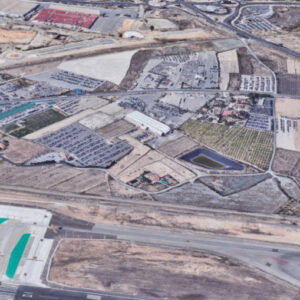


Corpic, the company that owns most of the joint venture that is working on the La Hoya plan, said today, Friday March 13th, that the second phase of the urbanisation project will start once the City Council takes over the green areas. The developer is currently paying a lot of money to keep these areas up, even though they were finished and handed over more than eight months ago. The initiation of this second phase of the project is necessary for the block of 775 units as part of the Vive Plan, the rezoning of land for two schools and the completion of stormwater drainage infrastructure.

Answer
Due to recent news reports in different media, Corpic SL, the owner and manager of the La Hoya Joint Venture, feels it is important to explain how the project is going. The company says that its management, the only member of the Joint Venture that has been involved in the project since it started in the early 2000s, thinks that the La Hoya development is now entering a new phase. This is after more than twenty years of urban planning, adapting to different regulatory frameworks, and building the main infrastructure needed for the project. This last factor makes sure that the new neighbourhood may grow safely and steadily.
The company also says that the four phases of the project, which will have room for 7,400 homes and 100,000 square meters of commercial space, will take 60 months to finish, starting in October 2023. If certain things, like green areas, aren’t received, the deadlines don’t run.
TM Grupo Inmobiliario, Corpic’s principal partner in the joint venture, has cut that time period down to 35 months and says that the second phase should have started last August. The first phase included the building of more than 800,000 square metres, and the second phase includes around 600,000 square metres more. The overall area for this big urban development project is 1,836,000 square metres.

Project for urbanisation
The project was approved in 2023 and will be carried out in phases, with an estimated total time of 60 months for all the planned actions. This plan was accepted by “the administrations involved” and all the sector owners, including the current members of the UTE La Hoya.
Corpic says that the first phase of urbanisation, which included almost 100 technical meetings, has already finished the main connection infrastructure that the project needs to move forward, such as the networks for electricity, drinking water, sanitation, wastewater treatment, and stormwater drainage. These facilities are already up and running and will provide the foundation for the next phases of urbanisation in the residential complex.
On time
The finished phase was done on time, as set out in the approved plan. It gave the neighbourhood the fundamental services it needed to grow in the future. Corpic stresses that the City Council must formally recognise some of the infrastructures that were built in the first phase before the next stages can begin. The joint venture is taking care of the green areas and the roundabout in front of the TM offices.
One of the most important things that has happened is the building of the flood control basins. These are part of a larger plan for sustainable drainage that has been put in place along the roads of the new development. These structures are now in use and have lately shown how well they work by keeping nearby roads like the CV-905 from flooding following heavy rain, which makes the region safer for people who use the water. In later phases, they will be joined by the building of new drainage and environmental integration areas planned for the project. One of these areas will be a future floodable park, which is meant to be a long-term solution to improve the area’s hydraulic management and make new green spaces for the city.
It also talks about how the current Avenida José Carreras, which used to be called “Camino de las Cabras” (Goat Path), is now open to traffic. This road, which has two lanes in each direction, has become one of the primary ways to get to Torrevieja from the CV-905 in the northeast of the municipality. It also serves as an alternative route to avoid the normal traffic congestion in the Habaneras and Carrefour shopping area.

Put in effort to invest
The project’s developer made a big extra investment in order to meet new technological, regulatory, and environmental criteria. This investment made this progress feasible. The company says that this promise has made it possible to make big upgrades to the infrastructure’s safety and quality, which makes the future neighbourhood more likely to be successful as the project goes on.
The joint venture has put more than €30 million into the first phase of the project. The next step, which will cost €12 million (including VAT), is to build 775 public housing units as part of the Vive Plan.
Housing for people
The building of La Hoya will slowly turn the area into a new neighbourhood with a lot of cheap dwelling units, as well as businesses, services, and facilities. Some of the proposed projects include bringing in big stores like the DIY store Bauhaus and supermarkets like Aldi and Consum. These stores will help bring new life to the neighbourhood and the city of Torrevieja as a whole.
Corpic says that the City Council is to blame for the delay in finishing the first phase. However, Corpic still believes that the second phase will start on time. This puts the project at risk, as the companies Abala and Livanto have already been given the job of building it, which was supposed to start in April. The Generalitat (the Valencian regional government) says that the contract was given out in July 2025 and then again in October. The Torrevieja City Council, which is in charge of the project, now says that this is the case.
The joint venture’s approach, which Corpic has taken on, has always been to do the work according to the phased planning laid out in the approved Urbanisation Project. This is based on criteria of technical coherence, urban planning prudence, and development viability.
As this news source said, building on land that can be developed could only commence at the same time as the urbanisation works, not before, in accordance with urban planning laws.
The company says that the City Council should have synchronised the awarding of the Vive Plan, which it has moved forward, with the actual timetables for urbanisation. It also says that its main goal is to make sure that the project goes on without any problems or objections. Corpic owns 45.2% of the Hoya Joint Venture. Villaviñas (TM Grupo Inmobiliario) owns 39.3%, Eurovillas owns 15.03%, and urban planning lawyer Tomás Conejero owns 0.3%. The Joint Venture’s rules say that everyone must agree on all decisions.
The numbers for the Hoya urban development macro-project in Torrevieja
| Concept | Data |
|---|---|
| 📐 Total Area of the Sector | 1.800.000 m² |
| 🌳 Green areas | 450.000 m² |
| 🏛️ Public Facilities | 111.000 m² |
| 🛣️ Road Network | 357.000 m² |
| 🏠 Maximum number of dwellings | 7,490 (25% Public Housing) |
| 🏪 Commercial Area | 103.000 m² |
| 💧 Lamination basin (Rainwater) | 40.000 m³ |
| 💶 Urbanization Budget | 57.000.000 € |
| 🤝 Majority urban developers | Corpic + Villaviñas |
| ⏳ Processing time | 25 years |
🏘️ Plots dedicated to the construction of public housing
| Plot (Sector 20 “La Hoya”) | Surface Area and Allocation |
|---|---|
| Parcel R-17 | 9,745 m2 Abala (Global Hozono Group) |
| Plot R-27a | 9,086 m² Livanto Promotions |
| Parcel R-31 | 14,830 m² Livanto Promotions |
“Clear commitment to permanence” in Torrevieja
Corpic says that the company has been around for more than 40 years and has worked on urban development and promoting key projects. It is known for its strong dedication to long-term sustainability, local development, and a long-term vision. It has always been involved in the urban and economic evolution of Torrevieja, pushing projects that focus on building homes, creating jobs, and improving infrastructure.
It has been involved in the growth of the Torrevieja area since the 1980s. It has since built more than 4,000 homes, which are now part of neighbourhoods, including El Paraíso, Torreblanca, and Sector 13. In the early 2000s, it was very important for the expansion of the Torrevieja Courthouse to happen through a land swap that let it get the municipal land where the bullring was located.
The company says that its business approach is focused on responsible planning, working together with other institutions, and “rigorous technical execution of projects, contributing to the sustainable and orderly development of the city.”

