



At Alicante-Elche Miguel Hernández Airport, problems with the new biometric control systems, not enough staff, and not enough information about them are making lines longer and making the work of the national police officers who protect the borders harder.

The new Entry/Exit System (EES) for travellers from third countries is producing problems at the border of the European Union (EU). The primary passenger comes from the United Kingdom.
What was supposed to be a technology to make crossing borders easier has led to long lines, double-checks, and disgruntled travellers.
The EES’s purpose is to replace the old passport stamp with a biometric record of every time a non-EU citizen enters or leaves the country.
At the first border crossing, fingerprints, facial photos, and document data are taken. This makes the processing time for each traveller much longer than it would be with a regular manual control.
People from the Jupol union told this newspaper that “the system is in place, but it’s still in its early stages, so it makes a lot of mistakes.”
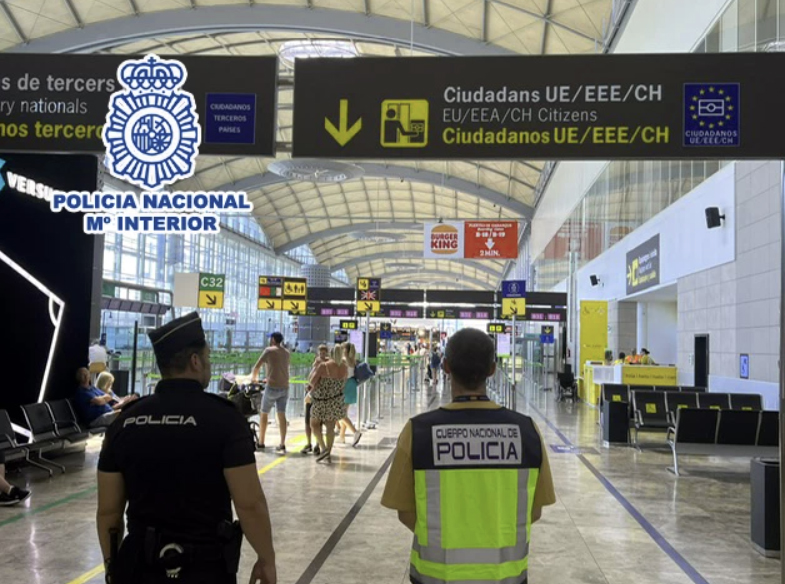
The machines cause complications, especially for older people whose fingerprints have been worn down by years of use or by cleaning agents.
The machine won’t accept them, so they have to go to the police to do it by hand. This means that passengers have to wait in queue for the broken machine and then again to talk to the police officer, all to get the same passport stamp they were trying to replace, but with twice the wait.
Border agents said, “Instead of taking away work, it has increased it; we are under a lot of pressure.” But in the end, the traveller has to deal with the repercussions.
This method started to be used in the autumn of last year, and the objective is to utilise it more in European airports.
Other Articles

Two Serbs arrested for attempting to kidnap a businessman
