


Today, Friday March 20th, three weeks after the start of the military combat, the Spanish government will approve the first set of steps to lessen the effects of the Iran war.

The spike in fuel prices, which went over $110 a barrel, has already started to hurt families in Spain.
On Friday, the measures include lowering taxes on petrol, electricity and fuel. The government will also make sure that the minimum amount of water and energy is always available, and it will not be able to turn off supply to the most disadvantaged households.
Reducing the IVA tax on fuels from 21% to 10% is one of the most important steps that will directly affect all drivers. The goal is to stop the dramatic spike in fuel costs that started on February 28th, when the US and Israel started attacking Iran.
According to data from the Spanish consumers’ group, diesel prices have gone up by 31% and petrol prices have gone up by 19%, which is equal to 44.8 cents and 28.2 cents per litre, respectively. Also, the price of diesel has gone up more than the price of fuel and is now more than two euros at certain big petrol stations.
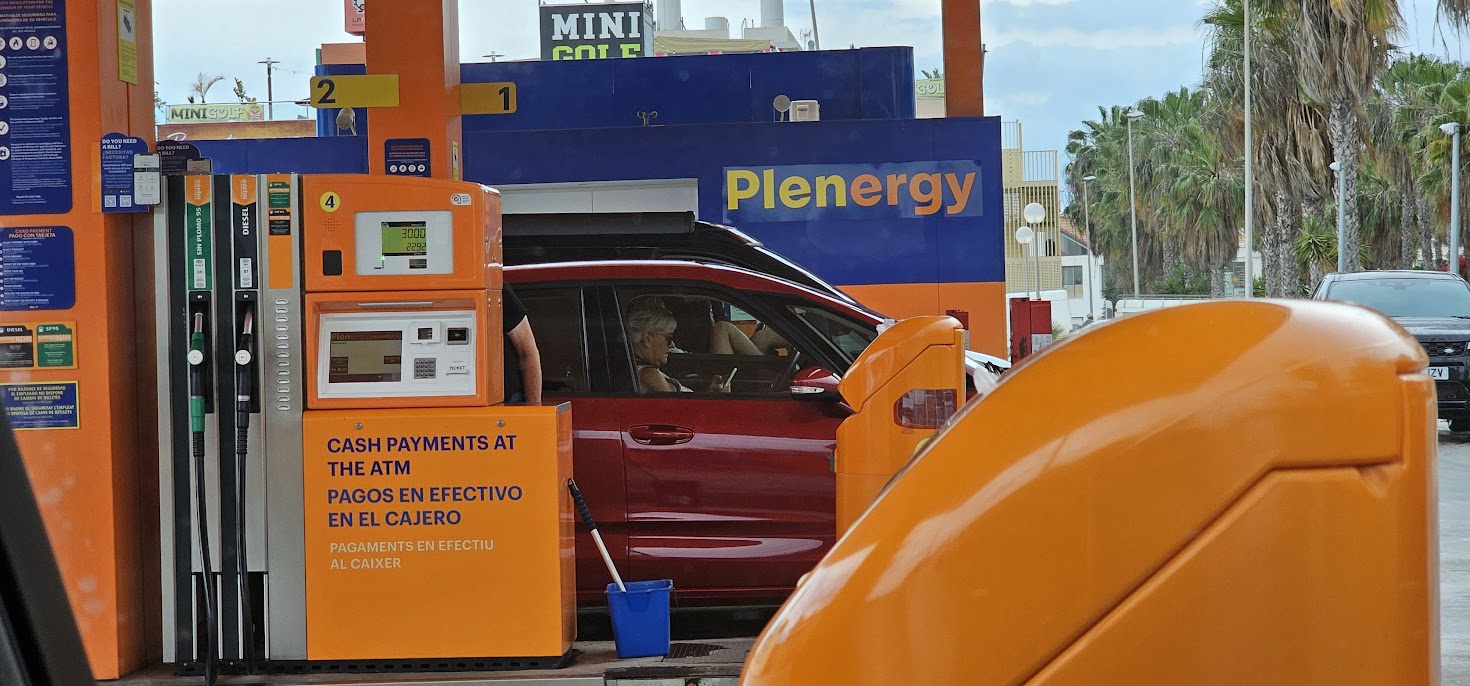
It now costs 100.98 euros to fill up a 55-liter tank of diesel, which is 21.18 euros more than it did a year ago. It costs 93.94 euros for cars that run on petrol, which is 10.5 euros more than it did a year ago.
The government will also stop taxing the value of energy produced to keep expenses down and cut the final bill for customers, who will notice the first hike next month.
In March, electricity costs went up because petrol prices went up. However, in Spain, renewables are keeping prices from going up too much. Because of this, electricity in Spain is roughly 50% cheaper than in other nations nearby.
After weeks of study and discussion, the government has decided to take some steps that would affect all customers, such as lowering taxes to lower energy costs. This is to keep inflation from rising too quickly, which is predicted to hit 3.5 percent in March and 4 percent in April.
The initial round of measures will also include specific help for the most at-risk sectors, like transportation, agriculture, fishing, and industries that use a lot of energy.
Other Articles

Another knife attack on a man in the street in Alicante
