



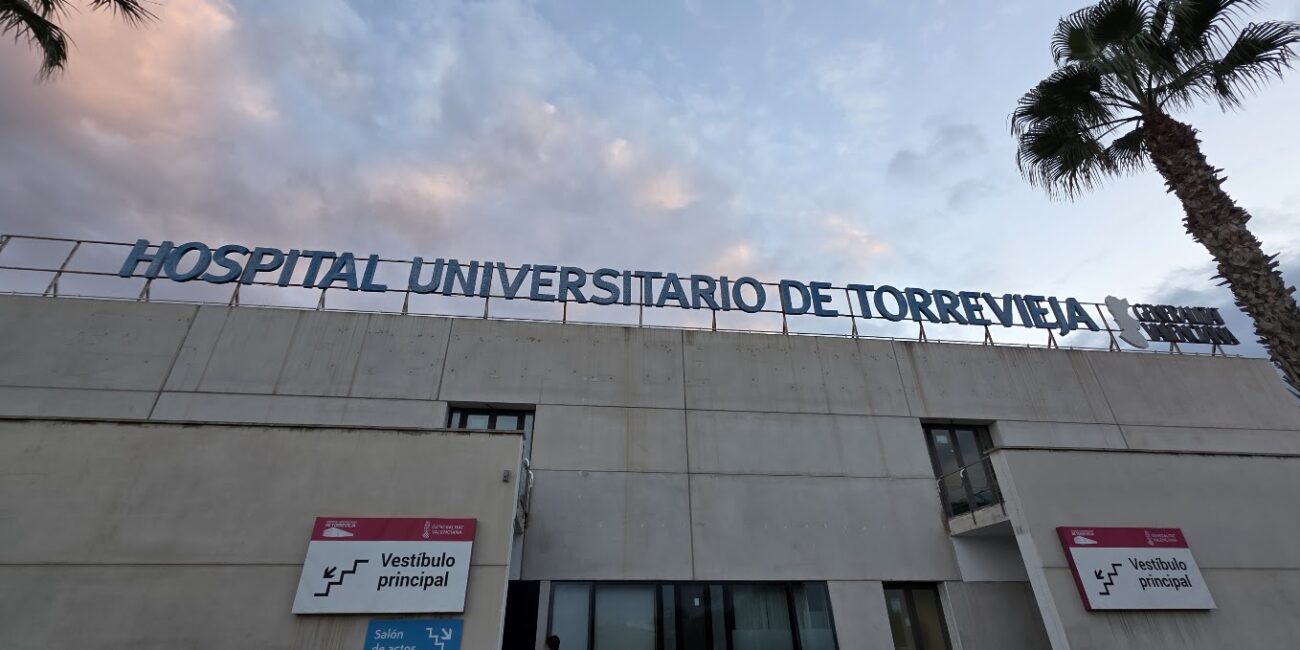
The university hospitals of Torrevieja and Vega Baja have held a joint session focused on pulmonary hypertension. The aim of the collaboration is to improve the early diagnosis of the condition and to strengthen coordination between health professionals across both health departments.

The meeting, held in the assembly hall of the Torrevieja hospital, was organised by the Cardiology services of both centres. It brought together specialists from Cardiology, Pneumology, Internal Medicine, Rheumatology, Haemodynamics and Nursing, all of whom are involved in the care of patients with this pathology.
Raul Centurion, head of Cardiology at the Torrevieja hospital, highlighted that early diagnosis and coordination between specialities are essential for improving the prognosis and quality of life for those affected. Matilde Vidal, head of Cardiology at the Vega Baja hospital, noted that the disease is often difficult to detect in its initial stages because symptoms are frequently non-specific and can go unnoticed.
Pulmonary hypertension is a serious and progressive condition caused by increased pressure in the pulmonary arteries. Common symptoms include persistent fatigue, shortness of breath during exertion, dizziness, chest pain and episodes of fainting. Although considered a rare pathology, affecting between 15 and 50 people per million inhabitants, these figures rise when cases associated with other heart or respiratory diseases are included.
Medical professionals noted that diagnoses have increased in recent years due to greater medical awareness and better diagnostic techniques. The ageing population and the increased survival of patients with chronic diseases have also contributed to the rise in detected cases.
During the day, specialists discussed clinical suspicion criteria and the operation of the Pulmonary Hypertension Unit, as well as cardiac catheterisation and current treatments. The session concluded with a debate on designing a shared referral and follow-up circuit between the two hospitals to speed up care and improve the multidisciplinary approach to the disease.
Other Articles

Alicante marks 182nd anniversary of the Guardia Civil