


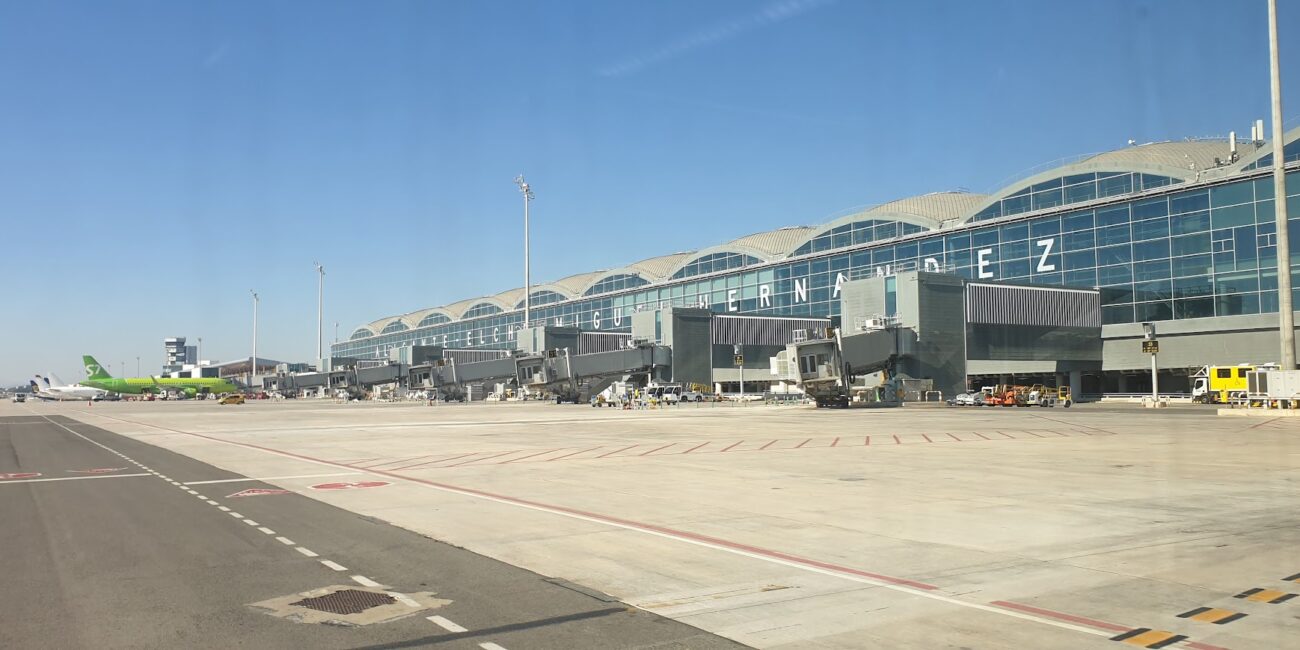
Aena is maintaining its investment path at Alicante Elche Miguel Hernandez Airport. Whilst awaiting the deployment of its expansion project, with an investment that will reach 1,154 million euro to begin in the 2027 to 2031 cycle, the airport manager is now opting for another action that not only aims to provide a solution to current problems, but also anticipates future physical growth and an increase in operations. This project comprises the construction of offices to group together Aena workers, reserving additional space to house a possible expansion of personnel.

The execution of the works for the development of this project is currently in the bidding phase for an amount of more than 5.3 million euro, taxes included. The tender brief specifies that these new administrative dependencies will be located in a sector of the P30 floor, in the North zone of the processor building, with the intention of relocating to a single site the personnel currently distributed in buildings outside the terminal.
Specifically, these new offices must accommodate the 135 Aena workers who remain installed in the so-called Technical Block and in prefabricated cabins that were intended to be temporary during the execution of the New Terminal Area. Hence, Aena intends to tackle this temporality that has already lasted 20 years, according to the report, in facilities that do not meet the required comfort or occupational risk prevention conditions, as they are exposed to excessive heat in summer and low temperatures in winter. Furthermore, they present water leaks and do not have adequate cooling equipment.
Thus, the objective is to enable offices within the processor building itself with appropriate conditions to accommodate two management and management secretariat positions; seven positions assigned to the management cabinet; 15 positions linked to the Economic Administrative division; another 15 to the Human Resources division; 24 to the Engineering and Maintenance division; eleven to the Airport Services division; four to the Environment department; four to the Occupational Risk Prevention service; 18 to Information Systems; 17 to the Commercial division; 8 positions to Technical Assistance; and another ten positions that would remain available for other services.
But not only that. The project also intends to leave the structure of the P40 floor prepared so that, in the future, offices are also arranged in that area with prospects of accommodating new jobs, in view of a hypothetical expansion of staff that could be necessary with the expansion of the processor building, through the construction of a new boarding pier over the building of the old T-1, which is now closed and disused, which will be demolished to allow the construction of that extension of the T-2.
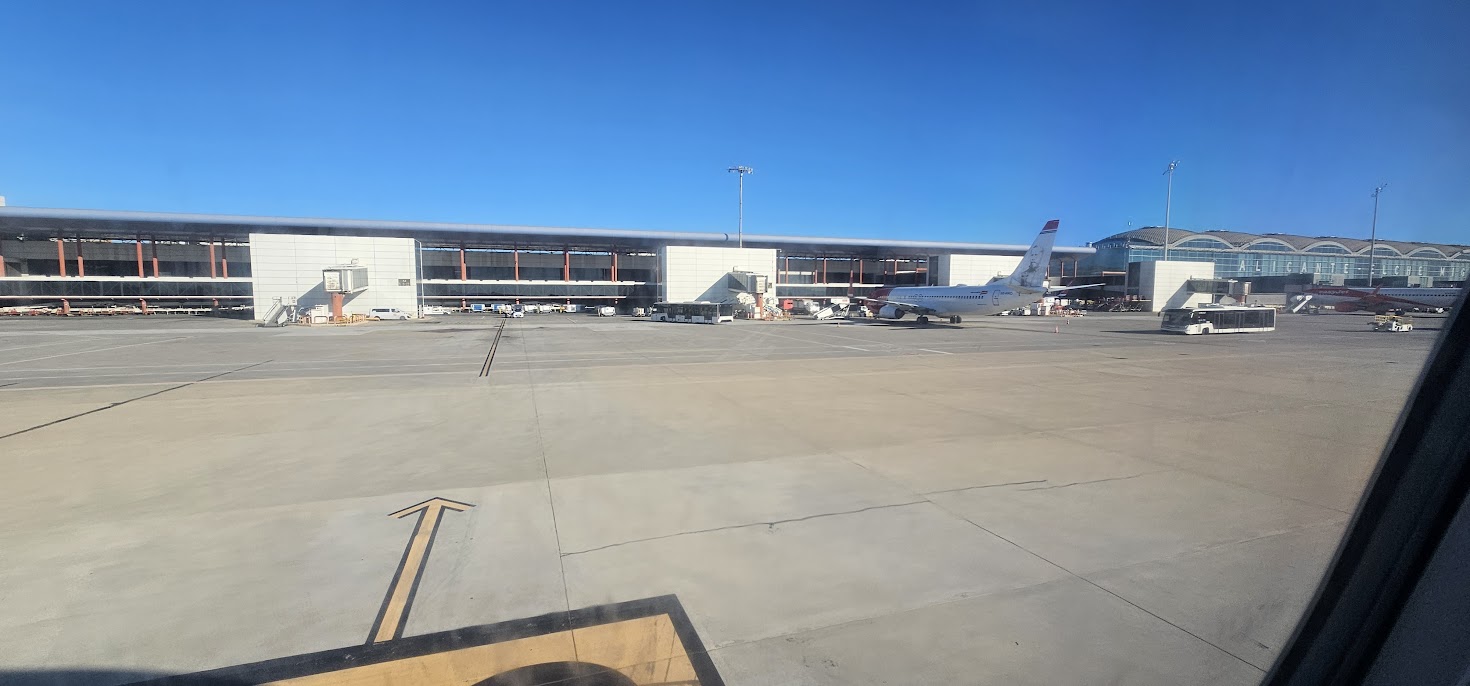
What times are being managed so that these new offices can be developed? In principle, the conditioning works of the P30 floor could start between the end of 2026 and the beginning of 2027. In fact, the deadline for the submission of offers to undertake the works closed at the end of May. From there, the evaluation of the submitted proposals must be addressed and an award finalised. And it will be with the signing of the contract when the established 15-month period for completion will begin to run.
The action gains relevance, moreover, as it represents another boost to the improvement of the airport facilities, where investments of more than 33 million euro have already been executed or are in the execution phase since the end of 2023. These are actions such as the provision of an Airport Management Centre responsible for coordinating the operation of all areas of the airport, and resolving potential incidents in real time; the renovation of the air conditioning system of the airbridges that provide access to the aircraft; the installation of a photovoltaic plant on the roofs of the car park canopies; and the expansion of another ten boarding gates to enable simultaneous double boarding, through the front and rear doors.
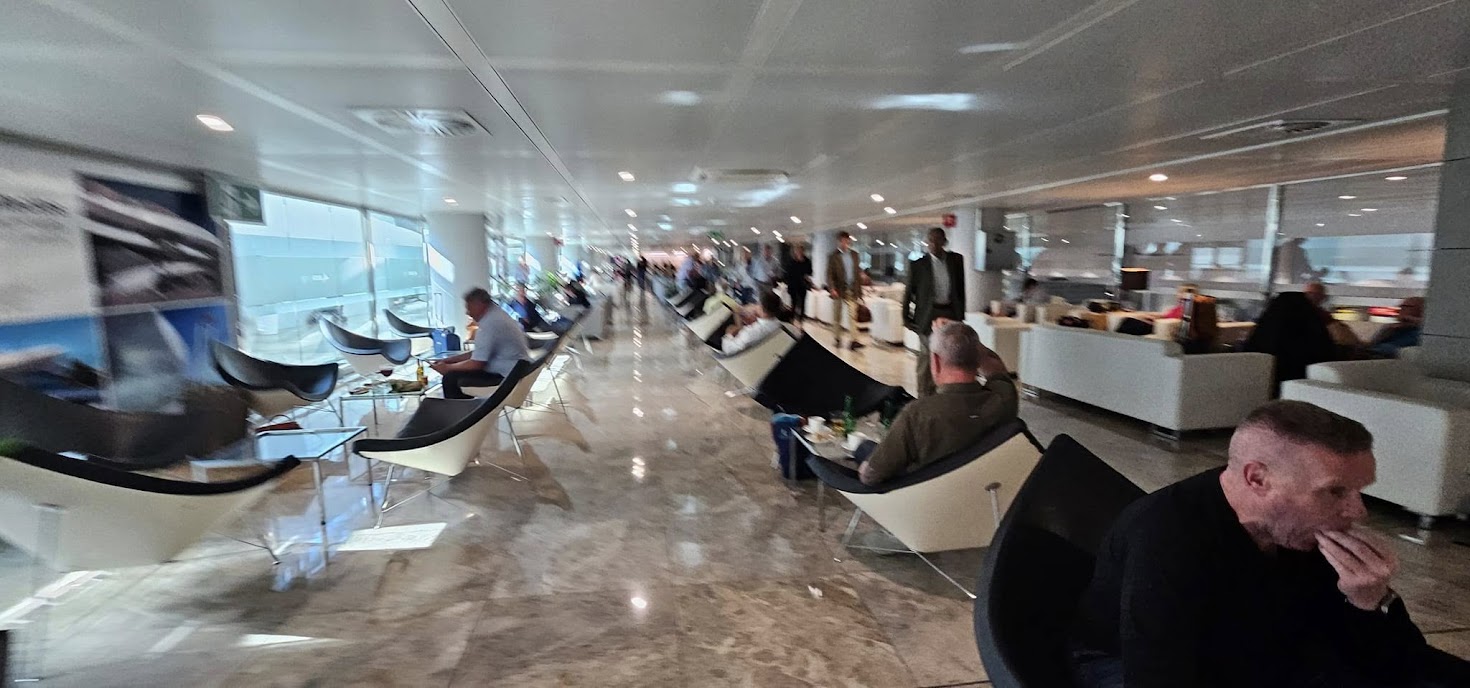
The list of interventions includes the conditioning and reopening of the VIP lounge closed after the fire recorded in the terminal in 2020 and the 16.7 million euro planned for the construction of the new taxiway, completing a global outlay that exceeds the aforementioned 33 million euro. In any case, the process does not end there. This batch of investments will be extended, likewise, with the drafting of the terminal expansion project, for which the contracting process has not yet been closed, with the alliance composed of the architecture studios JFS Architectes, One Works Spa and Viarium Ingenieria in an advantageous position compared to two other competing joint ventures. As reported, theirs is the proposal that adds the highest technical score, 89.25 points, and also the one that offered the lowest price: 11,705,700 euro, excluding taxes.

