
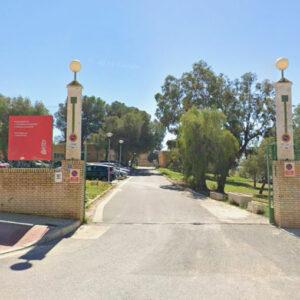
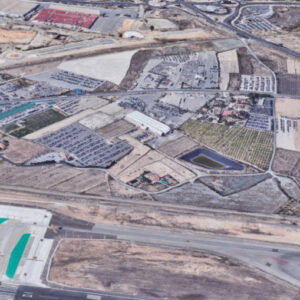

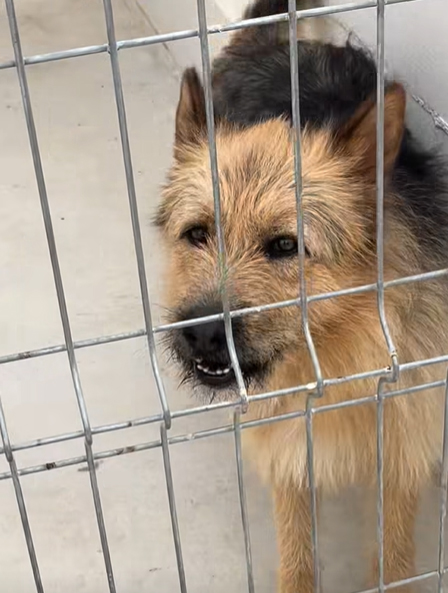
Torrevieja City Council’s local governing board has approved a further extension for the completion of the municipal animal shelter, a project awarded to Construcciones Urdecon. This latest resolution authorises the third modification to the contract, granting an additional six months to finish a scheme that has been plagued by incidents and delays since its inception. The contract was originally awarded in August 2023, with construction commencing following the site handover report on 13 November of that year. Work was subsequently suspended in April 2024 to adapt the project to the requirements of the Animal Welfare Law.

Following a restart agreement signed on 8th April 2025, the project was initially scheduled for completion by 28th January 2026. A subsequent amendment pushed the deadline back to 6th June 2026. With this newly approved resolution, the City Council has granted an extra six months, establishing a new projected completion date of 8th December 2026. However, the technical report indicates that the development could be finished earlier if construction proceeds without further issues.
The ongoing operation has successfully relocated dogs and cats to new, significantly better-equipped cages compared to the previous facilities. Despite this progress, no advancements have been made regarding the reception and veterinary facilities.
Increased budget
In addition to this third extension, the Councillor for Animal Protection, Concha Sala, confirmed that a second upward budget amendment is currently being processed. This financial adjustment will address increased material costs and certain adaptations to improve accessibility to the facility, which had been requested on social media by PSOE spokesperson Bárbara Soler and Sumar Torrevieja representative Nacho Torres Marí. This second budget amendment follows a previously approved increase that raised the contract cost by 130,638 euro (including VAT), pushing the total from 1,281,692 euro to 1,412,330 euro, representing a 10.19% increase over the initial contract.
The technical report justifies the delays, which have been validated by the acting head of the Services department and coordinated with the company’s demands for price increases. The primary reason cited is the necessity of coordinating construction work with the day-to-day operation of the shelter and the ongoing presence of animals on the premises. Specific factors include the construction of fencing to separate different phases of work, the reorganising and relocating of facilities within the site, the internal movement of animals, a new wastewater connection not included in the original project paid for by the City Council, and the involvement of a veterinarian to guarantee animal care and welfare. The document attributes the rising costs to this complex restructuring of work as a result of arranging cages and animals during each stage of execution.
The gallinaceous birds return
The resolution also highlights a unique issue involving feral gallinaceous birds inhabiting the parks of the Torrevieja municipality. These birds, which are chickens, were temporarily housed at the shelter due to an avian flu outbreak. According to the technical report, specific areas of the construction site had to be adapted to accommodate them while the epidemiological situation improved and movement restrictions on birds were lifted. The document specifies that 44 birds were captured and housed on 4th December, and another 43 were admitted on 29th January.
Following the repeal of the ministerial confinement order, the City Council requested authorisation from the Bajo Segura Regional Agricultural Office on 30th March 2026 to transfer the birds to a permanent zoological facility. At the time of the report, no response had been received. Councillor Sala specified that all birds captured since the alert was lifted are now being transferred directly to educational farms and animal sanctuaries. She noted that this strategy is having a noticeable effect in many areas of Torrevieja previously densely populated with birds, which have now been cleared.
Stress factors
The report justifying the expansion details how the temporary housing of hens, roosters, and chicks impacted the progress of the construction work. The birds were kept in an area adjacent to the construction site and, in early April, began to exhibit signs of stress, including skittish behaviour, feather pecking, feather damage, and a drop in egg production.
The report suggests that the noise and disruption from the construction work may have contributed to this stress. In response, environmental enrichment measures were expanded, and construction work near the bird enclosures was halted. According to the document, these measures successfully reduced symptoms of social and self-induced feather pecking, improving behaviour, feather condition, and egg production. However, the report cautions that any further changes to their environment could disrupt this delicate equilibrium, delaying their recovery and permanent relocation.