

Torrevieja is currently facing a new episode of extreme heat, highlighting a reality that the local political group Sueña Torrevieja warned about a year ago. The group argues that the city needs to be better prepared for increasingly frequent and intense temperatures, which particularly affect children, the elderly, outdoor workers, and citizens with health issues. These conditions also heavily impact the use and enjoyment of public spaces, schools, parks, and communal areas.

Whilst “new” Torrevieja has become synonymous with concrete, the removal of trees and natural elements, destruction of land, whilst bordering a natural park, and a complete lack of shade, thus resulting in higher temperatures and more flooding, the residents and visitors are now paying a higher environmental price for over development.
Exactly one year ago, Sueña Torrevieja brought a motion to the municipal plenary to promote the creation of climate shelters and the implementation of a Municipal Shade Plan, detailing concrete measures to adapt the city to this new climatic reality.
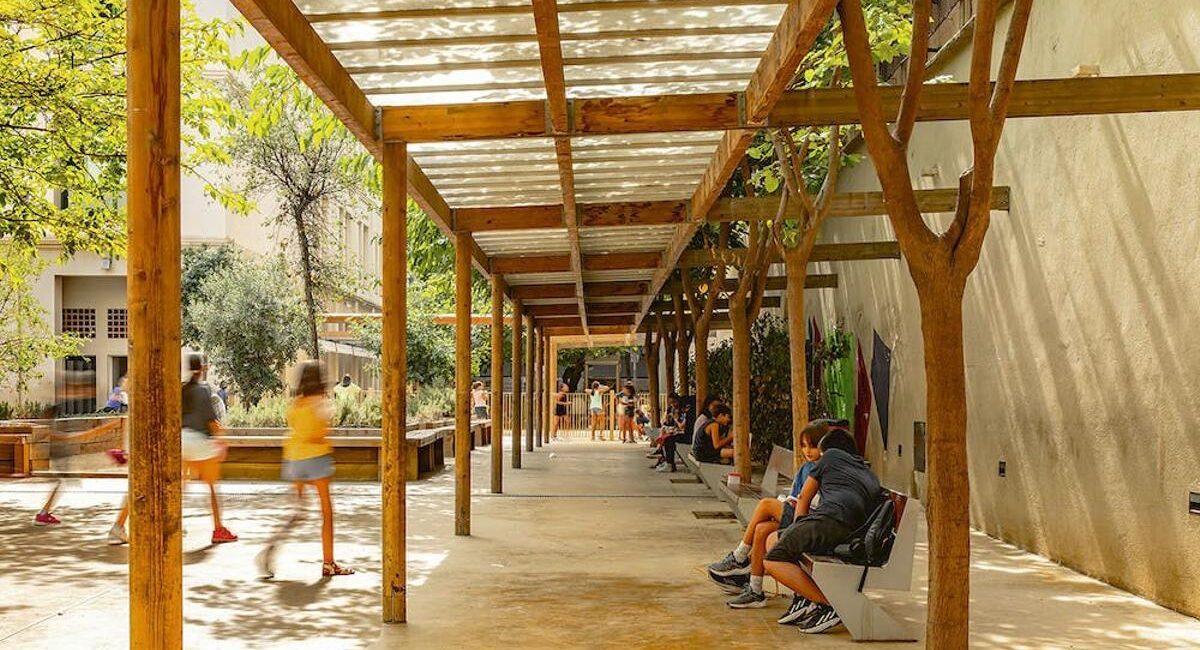
The proposal included the creation of public spaces for protection against the heat, the improvement of shaded areas in streets, squares, and parks, specific interventions in school environments, and municipal planning that would allow for a proactive response to high-temperature episodes.
However, the Partido Popular presented an amendment to the entirety of the motion, arguing that the Ayuntamiento was already working along those lines. The Councillor for Education, Ricardo Recuero, defended at the time that a shade plan for the Acequión and Inmaculada schools was included within a European Regional Development Fund application worth 12 million euro.
A year later, with no public progress made known on this issue, Sueña Torrevieja considers it necessary for the municipal government to explain what actions have been carried out, what measures are planned, and when citizens will be able to see their effects.
The spokesperson for Sueña Torrevieja, Pablo Samper, pointed out, “We already said in that plenary session that the heat does not understand political acronyms. We are not talking about a party proposal; we are talking about a city need. When episodes like the one we are experiencing these days across the Mediterranean arrive, all residents suffer the consequences and we all need the Ayuntamiento to be prepared.”
Samper added that if the municipal government was indeed already working on this proposal, as they claimed a year ago, it is only logical that today they can explain exactly what has been done, what budget has been allocated, and what schedule exists to make these measures a reality.
Sueña Torrevieja issued a reminder that the climate shelters and the Municipal Shade Plan remain necessary and positive actions for the city because they would allow authorities to:
- Create safe and accessible spaces where citizens can protect themselves during extreme heat episodes.
- Improve Torrevieja’s adaptation to climate change.
- Offer specific protection to the most vulnerable groups.
- Increase the amount of shade in schools, parks, children’s play areas, and public spaces.
- Favour a more comfortable, healthy, and habitable city during the summer months.
- Reduce the impact of high temperatures on the health and quality of life of residents.
“Torrevieja cannot limit itself to reacting every summer when the heatwaves arrive. We need planning, prevention, and permanent actions that improve our public spaces,” stated Samper.
The spokesperson also stressed that adaptation to the heat cannot depend exclusively on securing European funds. While the financial aid is important, he noted that the Ayuntamiento must have its own strategy to protect its residents.
For this reason, Sueña Torrevieja is formally requesting that the municipal government report publicly on:
- What actions related to the Municipal Shade Plan have been executed since the motion was debated.
- What concrete measures have been adopted to create climate shelters.
- The current status of the shade plan announced for the Acequión and Inmaculada schools.
- The deadlines the Ayuntamiento is working with to apply these measures.
- Whether a comprehensive, global plan exists to adapt Torrevieja to extreme heat episodes.
“A year ago we presented a proposal thinking about the future of Torrevieja. Today, with the extreme temperatures we are experiencing, that need is even more evident. We continue to extend our hand to work for a more prepared, more sustainable, and more human city,” concluded Samper.