


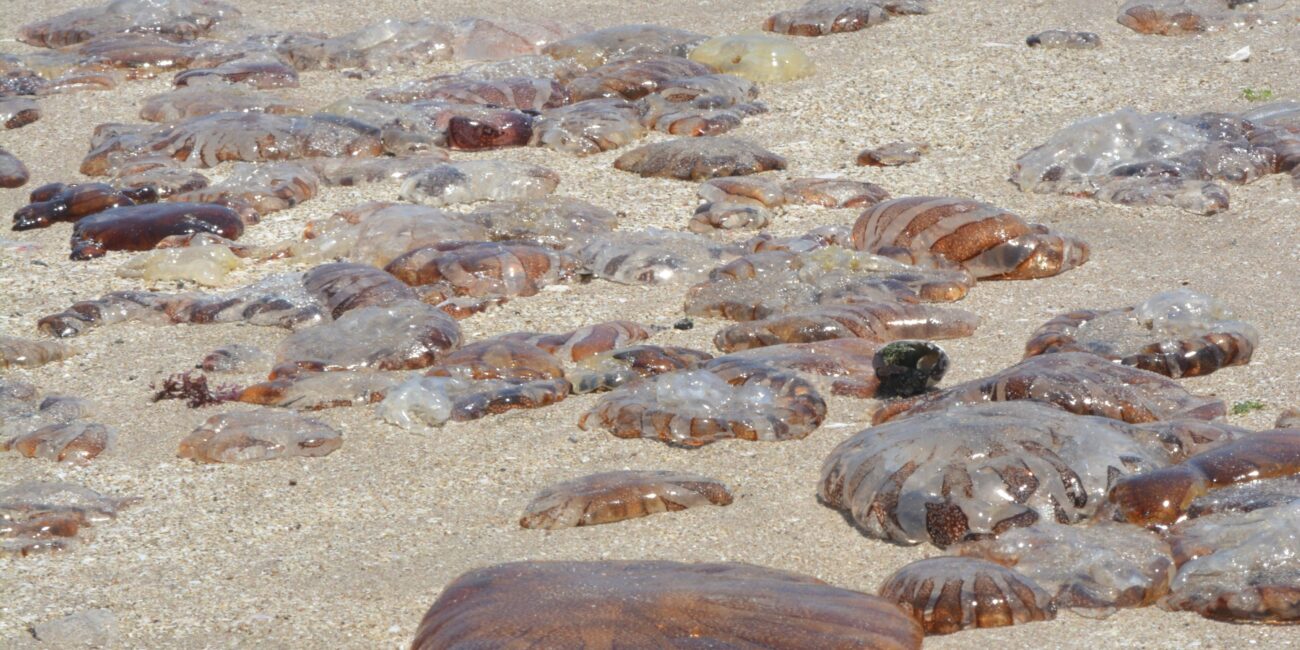
An application developed in Alicante allows beachgoers to check jellyfish sightings in real time during the summer. MedusApp, created by a team from the University of Alicante and the Polytechnic University of Valencia, has exceeded 700,000 downloads across Android and iOS devices and introduced a new interactive map this season.

The platform relies on user collaboration, enabling people to report jellyfish sightings or confirm that a beach is clear. This information updates a live map, helping other beachgoers check conditions before they head out while building a database for researchers. The application is available in six languages and has evolved into an international reference and Spain’s most downloaded citizen science app.
To ensure accuracy, the app uses an artificial intelligence algorithm trained on more than 10,000 images to identify species and validate locations, with oversight from a committee of experts. It also includes a first aid guide created by health professionals for managing stings. Data collected by the platform shows that more than two million jellyfish specimens have been recorded, with the harmless fried egg jellyfish surpassing the stinging carnation jellyfish as the most reported species on the coast. Since launching in 2018, MedusApp has documented unusual sightings and continues to turn user warnings into useful safety information and scientific research.
Other Articles
Alicante to convert coastal railway track into a green corridor