


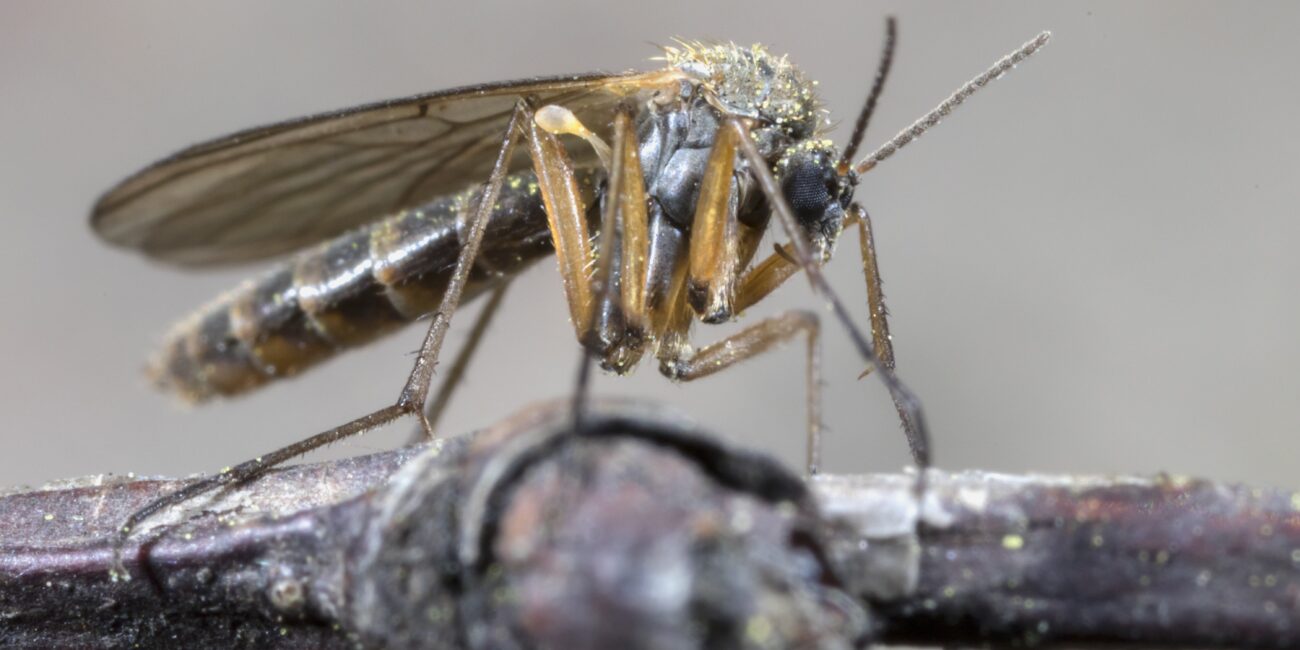
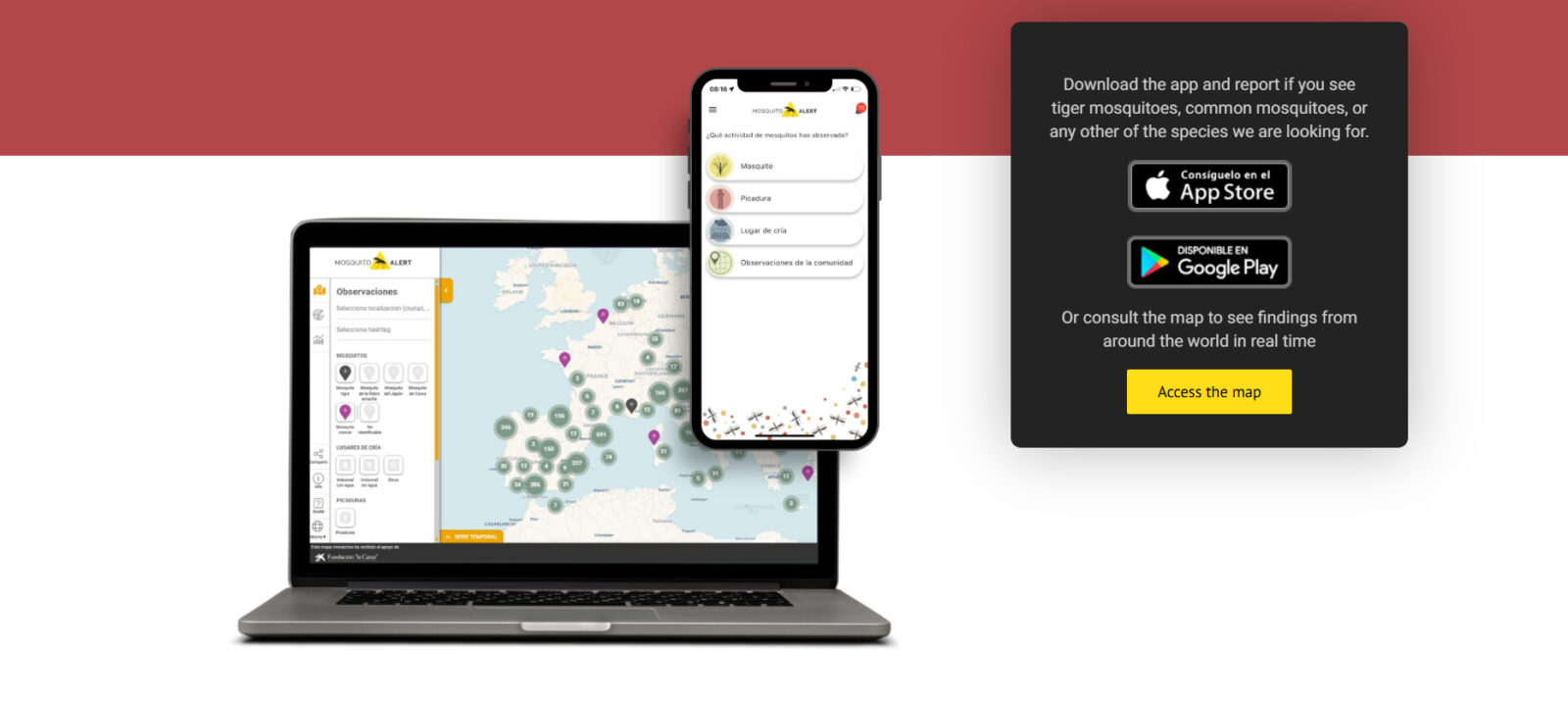
The Ministry of Health encourages citizens to collaborate in mosquito surveillance through the Mosquito Alert application, a citizen science tool that contributes to the early detection of invasive species, such as the tiger mosquito, and to the monitoring of risks to public health through which anyone can send photographs of these insects, report possible breeding sites or notify bites. Rising temperatures, heat waves, and other extreme weather events associated with climate change are altering the distribution, activity, and presence of disease-carrying mosquitoes. In this context, information provided by the public complements conventional surveillance systems and allows for the early detection of changes that could affect public health.

The World Health Organization (WHO) has warned in 2026 of the increase in cases of dengue and chikungunya in certain areas of America and Asia and the risk of the virus spreading to new geographical areas, and has recommended strengthening surveillance and control systems.
In Spain, as of 19th July, 108 imported cases of chikungunya had been reported, compared to 37 during the same period in 2015. More than half originated in Bolivia and around 21% in Cuba. To date, no autochthonous cases of mosquito-borne chikungunya have been documented in Spain, but the presence of Aedes albopictus along much of the Mediterranean coast, the Balearic Islands, and other locations in the country indicates the risk of the virus being introduced by infected travellers and potentially transmitted to others through these local mosquitoes.
Dengue fever, another disease transmitted by mosquitoes of the Aedes genus, remains prevalent in endemic areas. As of July 19, 124 imported cases had been reported, compared to 153 during the same period last year. Nearly half were linked to travel to the Maldives, and slightly more than 25% to other countries in the Americas. No autochthonous cases of dengue have been reported in Spain this year, although sporadic episodes of local transmission have been recorded since 2018, making continued surveillance and early detection essential.
The circulation of West Nile virus, transmitted primarily by mosquitoes of the Culex genus, is also a concern. As of July 22, 2026, one human case had been confirmed in Alicante and two in Seville, in addition to numerous detections of the virus in mosquitoes in Seville and Almería. Up to that date, no outbreaks had been reported in equines or birds during the season that year.
During 2025, 45 locally acquired human cases were reported, 37 confirmed and eight probable, compared to 158 in 2024. Half of the symptomatic cases presented with neuroinvasive disease, and five deaths occurred. A man died in Seville yesterday, Wednesday 5th August.
Rising temperatures can favour the expansion of some species and extend their activity from spring to autumn. However, extreme heat waves and prolonged droughts can also reduce their survival by limiting the water necessary for larval development. The relationship between heat, mosquito presence, and exposure to their bites is therefore not linear and is ongoing, remaining a subject of research.
Frederic Bartumeus, ICREA researcher at the Blanes Center for Advanced Studies of the CSIC and co-director of Mosquito Alert, explains that understanding how heat waves alter behaviour and exposure to bites is vital, and that citizen participation provides essential data for accurate prediction models. Through Mosquito Alert, anyone can submit photos of mosquitoes, report potential breeding sites, or notify authorities of bites for review by specialists.
Lucía García San Miguel, from the Center for Coordination of Health Alerts and Emergencies at the Ministry of Health, notes that understanding where mosquitoes are spreading and changing is essential for anticipating future scenarios as climate change introduces new uncertainties. Since its launch in 2014, Mosquito Alert has helped detect invasive mosquitoes in almost 500 Spanish municipalities and has participated in 32% of the first findings recorded in Spain.
For more information about the app. see https://www.mosquitoalert.com/https://www.mosquitoalert.com/
Other Articles
Sailboat rescued after running aground near Javea