


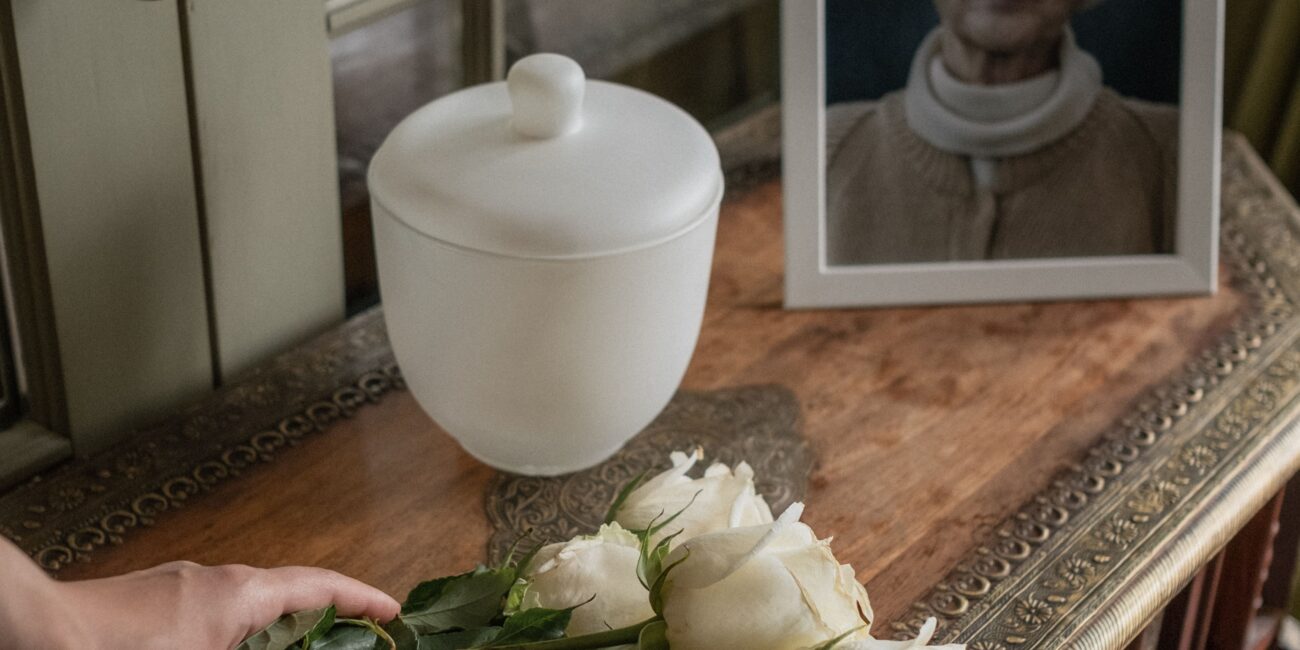
A dispute over the ashes of a woman who passed away in Alicante in April 2025 has led her two children into court. The son has filed a lawsuit against his sister, seeking 10,000 euro in moral damages after she scattered their mother’s remains without waiting for him, despite a prior agreement to carry out the act together.

The legal action involves a summary proceeding for a claim of payment. The lawyer representing the plaintiff cites Article 1902 of the Civil Code, which dictates that anyone who causes damage to another through fault or negligence is required to repair that harm. The lawsuit asserts that the defendant inflicted clear emotional and psychological harm.
Relations between the siblings were not always strained. The plaintiff, a retired local police officer from Alicante, was first notified of his mother’s death by his sister while he was near Peñíscola. He was travelling to southern France, where he resides for long periods, and intended to return there after attending the funeral. According to the lawsuit, their mother’s wish was cremation, and both siblings had explicitly agreed to scatter her ashes together.
Three days after the mother died, the sister sent a WhatsApp message saying that the ashes were at her home and asking her brother to get in touch so they could arrange a date and time. The plaintiff’s legal representative argues this message confirms an express agreement. The son replied proposing a quiet, easy spot in the pine forests near Santa Bárbara Castle, suggesting they plan the details beforehand. His sister replied with “OK.”
The son intended to return to Alicante in June, and no further discussion about the ashes took place immediately afterwards. However, in early May, discussions began regarding the sale of their mother’s flat and furniture. A purely financial dispute soon developed over the value of a bed, the valuation of the property, and the method of selling it.
By late May, amidst ongoing arguments over the family estate, the sister sent an audio message stating she had kept the ashes at home for over a month and was going to scatter them at Santa Bárbara Castle on her own. She expressed frustration over past issues, stating that given their lack of contact and her feeling of having lacked support over the years, it did not seem right for them to carry out the act together.
The sister subsequently scattered the ashes accompanied by her daughter. The plaintiff’s lawyer contends that this unilateral action breached their agreement, depriving his client of the opportunity to say a final farewell to his mother and causing deep distress, anguish, and emotional suffering during the grieving process.
The lawsuit argues that the loss of the remains is irreversible and violates the plaintiff’s right to honour his mother in an intimate and unique act. The legal team sets the financial compensation at 10,000 euro, citing Supreme Court case law that links compensation to the intensity and permanent nature of suffering. It highlights that the plaintiff remains uncertain about the exact location where the ashes were scattered, as he must rely entirely on his sister’s statements. The lawyer also notes an aggravating factor, claiming the act was carried out deliberately in response to arguments over economic matters.
Other Articles

Man arrested in Orihuela after pizzeria burglary and electric scooter chase