


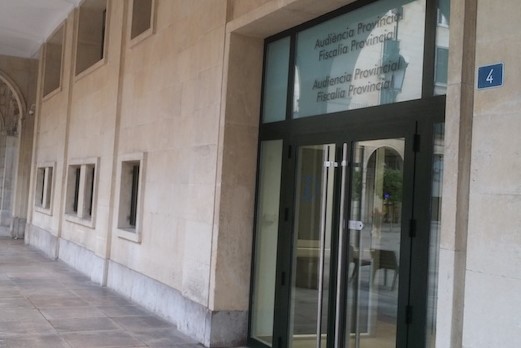
The High Court of Justice of the Valencian Community has overturned the conviction of a couple for killing and dismembering a man in Alicante, ordering a complete retrial with a new jury and a different presiding judge.

The two defendants were previously sentenced by the Provincial Court of Alicante to 13 years and nine months in prison for crimes of homicide and fraud, after being found guilty of killing the owner of the property where they lived and exploiting his pension. However, the regional high court has now upheld the appeals filed by the defence teams, declaring the original sentence null and void due to procedural flaws regarding a lack of sufficient motivation in the jury’s verdict.
According to the ruling, the jury’s voting record failed to adequately address all the questions outlined in the verdict object, notably omitting key considerations regarding the authorship and culpability of the defendants. The magistrates noted that the brief and implicit reasoning provided only allowed for the general deduction that a homicidal death occurred, but failed to identify the specific role played by each individual in causing the fatality.
Because the initial trial court did not return the verdict to the jury for completion or clarification, the legal requirement for proper justification was breached. This failure led the court to annul the sentence and mandate a completely new oral trial.
The events date back to June 2024, when the initial remains of the victim were discovered abandoned in a rural area within the municipality of Alicante, prompting a police investigation. Prosecutors had maintained that the accused killed the homeowner for financial gain, intending to seize his property and pension before dismembering and burning the body to conceal evidence.
Conversely, the defence rejected the prosecution’s narrative during the initial proceedings, arguing that the man may have died from a heart attack potentially brought on by heatstroke, and insisted that definitive proof regarding the cause of death was lacking. A new jury will now re-examine the evidence, evaluate the responsibilities of the accused, and determine the appropriate verdict.
Other Articles
Prison for man arrested over armed bank robbery