


The Universitario de Torrevieja Hospital has launched a new cornea donation protocol with the aim of increasing the availability of tissue for eye transplants and offering new therapeutic opportunities to patients suffering from vision loss due to diseases, infections, or corneal injuries.

The initiative, developed by the Ophthalmology service in coordination with the Transplant Coordination, Internal Medicine, and the Intensive Care Unit, seeks to strengthen tissue donation and improve access to cornea transplants, an intervention that in many cases constitutes the only alternative for recovering visual capacity.
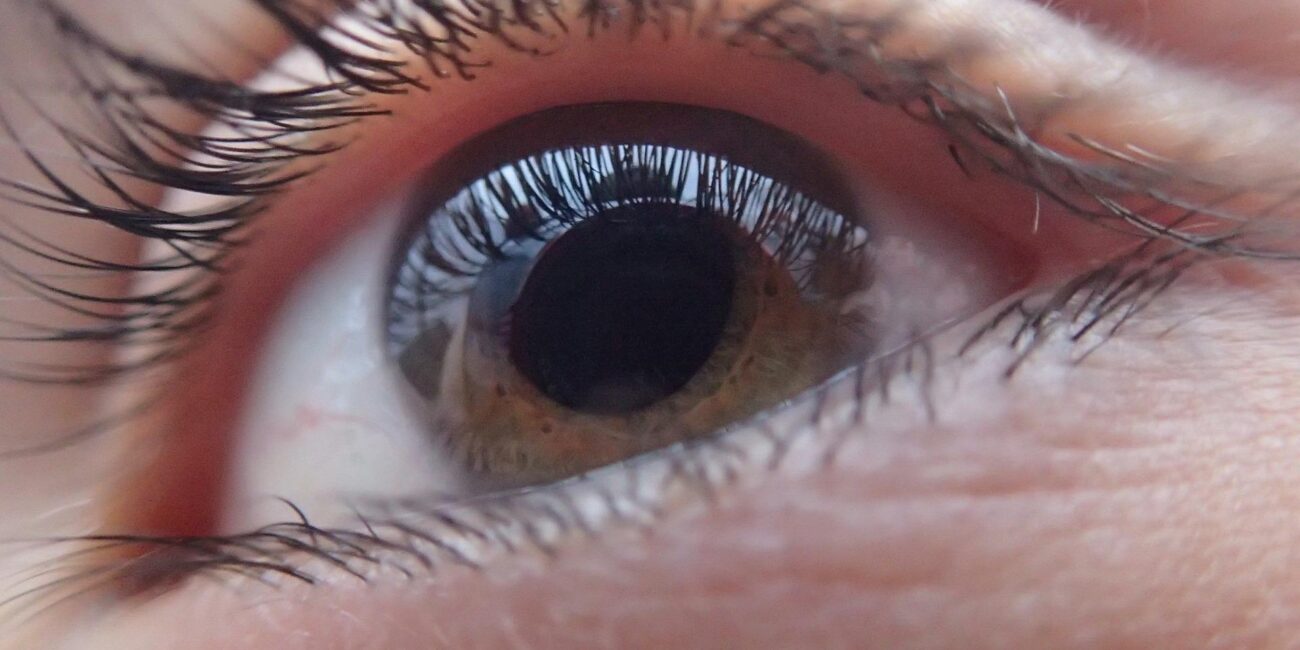
The cornea is the transparent layer located at the front of the eye and plays an essential role in vision by allowing light to pass through and ensuring correct focusing. When this tissue is damaged by certain pathologies or trauma, a corneal transplant can become the only solution to restore the patient’s vision.
The new procedure will allow the removal of corneas from deceased individuals with the authorisation of their families, even in cases where it is not possible to donate other organs. In this way, the possibilities of obtaining corneal tissue are expanded, and the number of corneas available for patients remaining on the waiting list is increased.
The healthcare centre has been working since February 2026 on the implementation of this care circuit, which includes sending the extracted tissues to the reference eye bank. There, they are evaluated, preserved, and subsequently assigned to patients following established clinical criteria.
Specialists point out that a single donation of corneas can benefit up to two people, allowing them to regain vision, autonomy, and independence in their daily lives. For this reason, they insist on the importance of communicating the desire to donate during life and discussing this issue within the family environment.
With this measure, the Universitario de Torrevieja Hospital aims to increase the number of eye transplants and contribute to reducing waiting times for patients whilst reinforcing its commitment to the promotion of tissue and organ donation and improving the quality of life for people who depend on this type of surgery.