


The Valencian Minister of Health, Marciano Gómez, has announced that the Health Department have implement the new “Home Delivery” model starting yesterday, Tuesday 9th June. This system will allow patients with diabetes mellitus to receive continuous glucose monitoring devices and consumables directly at their homes. According to the Minister, the new system will eliminate the need for patients to make regular trips to healthcare centres, as the equipment will be delivered to their designated address. This will result in “improved accessibility, continuity of care, and clinical follow-up for people with diabetes in the Valencian Community.”

“People who need these devices should be able to access them more quickly, with less travel, and with a more comfortable model adapted to their daily lives,” Gómez stressed.
Therefore, the new home delivery model “is not just a logistical improvement, but a way to bring healthcare services closer to people, avoid unnecessary procedures and reduce burdens for patients, families and professionals.”
In this way, he added, “we promote equity, access to treatment and therapeutic adherence, especially for those patients with certain difficulties, such as people with mobility difficulties, the paediatric population or patients who live far from health centres.”
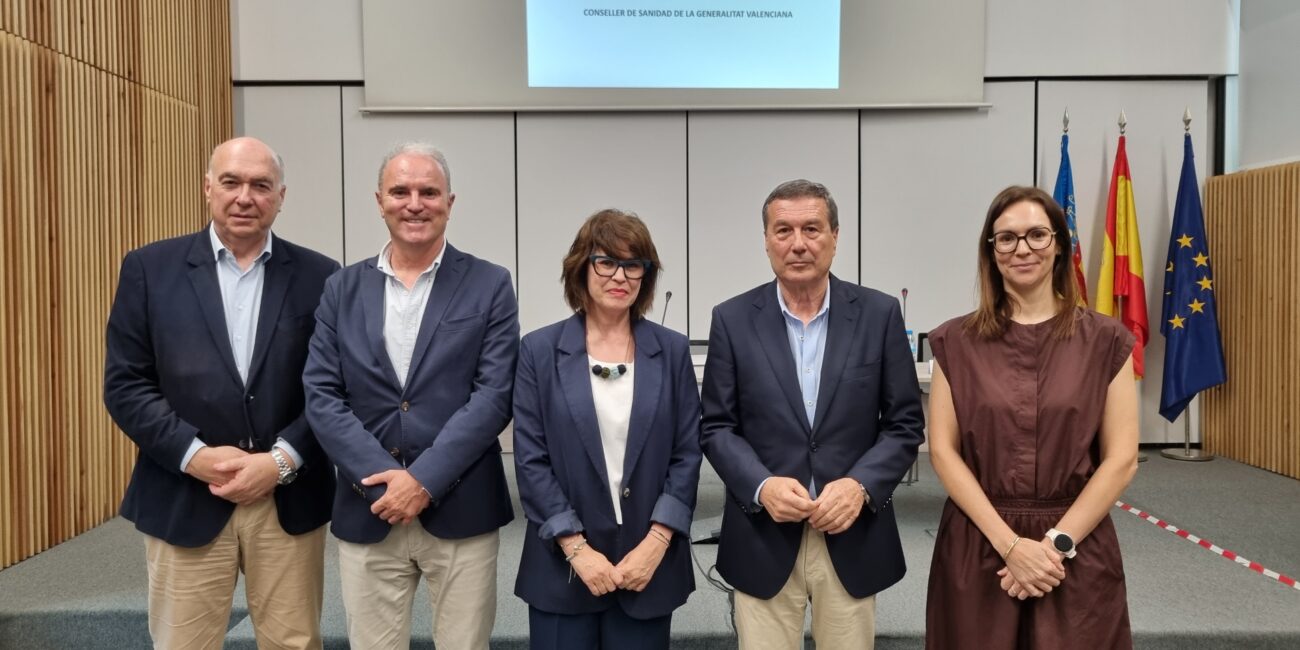
This was stated by the Minister of Health during the presentation event that took place at the Ministry of Health and was attended by the Director General of Pharmacy, Elena Gras, the Director General of Primary Care, Carlos Momparler, the coordinator of the Diabetes Plan, Vicente Campos, as well as representatives of the associations of patients with diabetes in the Valencian Community.
More personalised clinical follow-up
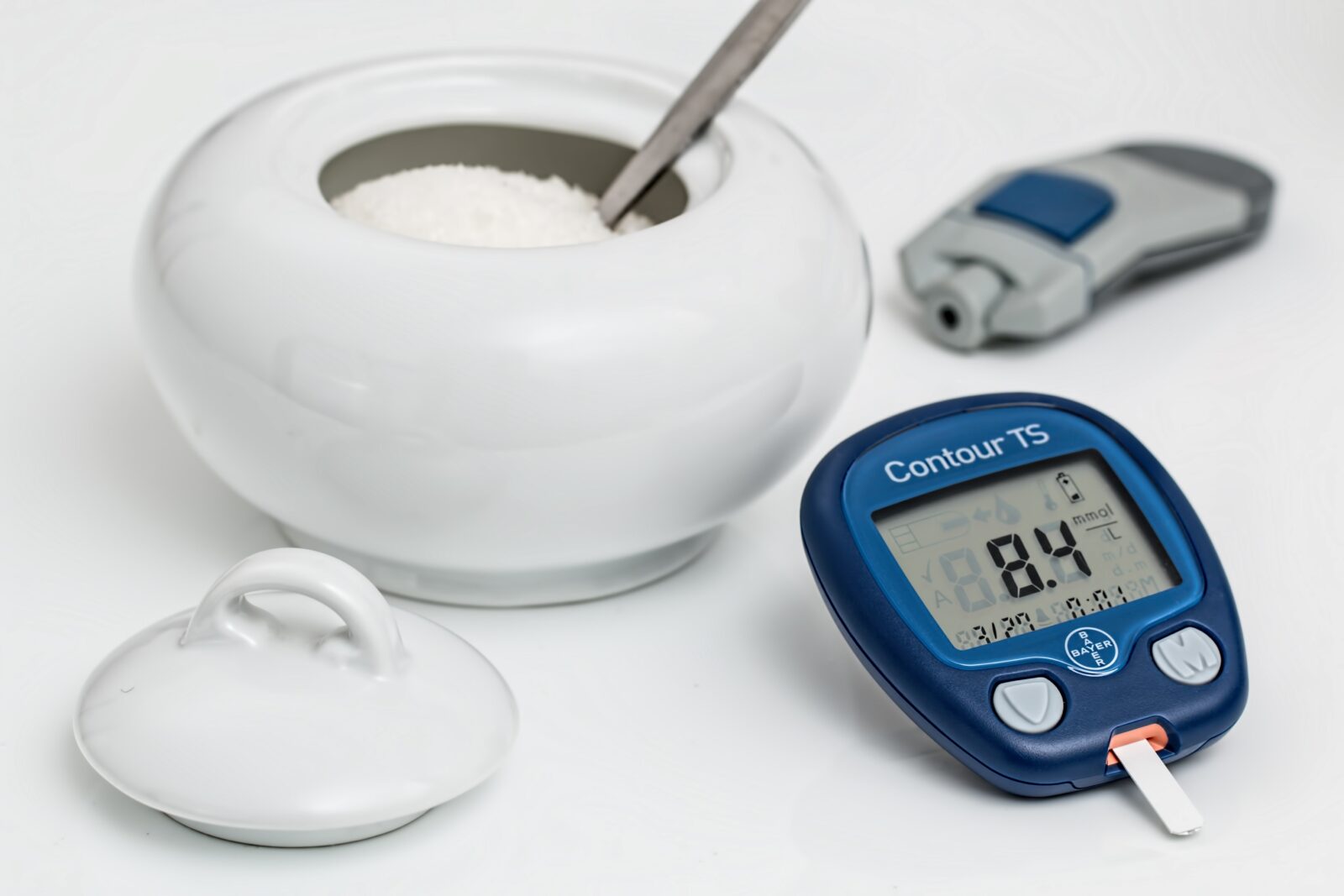
Continuous glucose monitoring systems are a fundamental tool for improving glycaemic control and the quality of life of people with diabetes when accompanied by structured therapeutic education and continuous clinical follow-up, according to a statement from the Generalitat.
The new model encompasses everything from prescription and patient education on device management to comprehensive treatment monitoring by healthcare personnel, which will allow the patient greater control of the disease and improve their quality of life.
Currently, around 27,000 patients use these systems in the healthcare system, and according to the minister, “the incorporation of these patients into the new model will be carried out progressively from 9th June, starting with the users of the monitoring devices that are mostly implanted and later extending to the rest of the systems included in the programme.”
Thus, the Community joins other autonomous communities that have developed home delivery programmes for glucose sensors, although it incorporates as a differentiating element an integrated and coordinated management directly from the Valencian public health system.
Agility in treatments
“Home Delivery” will allow progress towards “a more agile, coordinated and patient-centred system”, in which prescription, programme enrolment, logistics management and clinical follow-up will be coordinated from the Ministry of Health’s own corporate systems, eliminating the need for paper documentation.
In fact, it will be from each health department, and through multidisciplinary committees made up of professionals from Primary Care, endocrinology, nursing, pharmacy, IT and supplies, that they will coordinate the implementation of the new distribution model in their area of care.
38 million
The Ministry of Health has made an annual investment of over 38 million euro in devices and consumables for automated blood glucose control, as well as in the incorporation of the new digitised system for home delivery “Home Delivery”.
For its part, during this year, the Valencian Community’s Diabetes Plan has promoted the development of clinical protocols and intervention criteria in Primary Care for the 621,000 patients with diabetes under treatment in the Valencian Community with an annual investment in pharmaceutical products exceeding 400 million euro.