


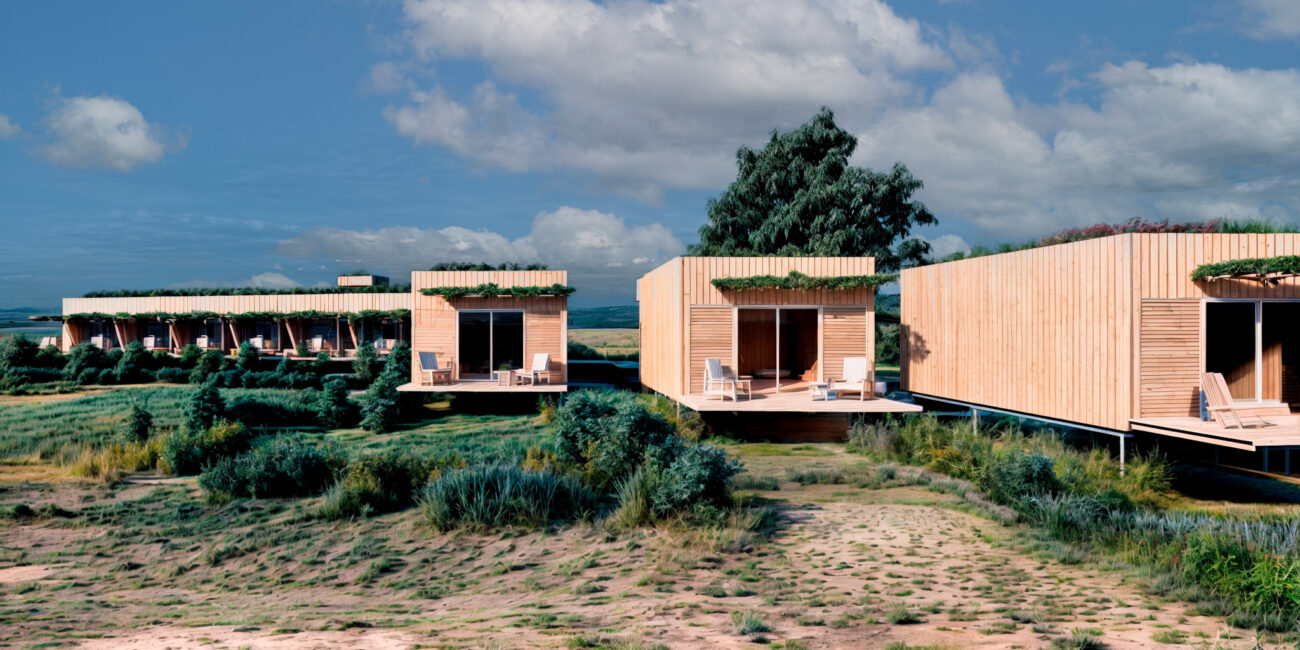
The PSOE and Friends of the Southern Alicante Wetlands (AHSA) have submitted objections against a proposed project to construct a complex that would feature an eco-hotel on more than 170,000 square metres of rural land. The development is situated in one of the most well-preserved areas of the La Mata and Torrevieja Lagoons Natural Park, adjacent to vineyards, dryland, and irrigated crops on the edge of the La Mata wetland.

Environmentalists oppose the 16-hectare project due to its unsustainability and potential negative impact on the landscape and environment. The site falls within a natural area covered by up to six international, European, and regional protection designations.
Opponents highlight that the core facilities would occupy 3.24 hectares. This includes 1.73 hectares for hotel accommodation and parking, 1.32 hectares for an agrivoltaic area, and 0.19 hectares for a wellness zone. They warn that increased human pressure could lead to wastewater discharges into the La Mata Lagoon. Concerns have also been raised regarding the risk of fire in the adjacent forest area due to the planned electrical installations, particularly the photovoltaic solar plant. The entire plot lies within a 500-metre forest fire prevention zone, with 10.5 hectares—including the wellness area, main hotel building, and almost all cabins—falling within a 100-metre forest influence zone. Additionally, the land is located in a level 4 flood hazard area.

The developer, Inner Wellness Eco Resort, submitted documentation for an environmental assessment from the Generalitat, relying on the presence of Casa Sala, an agricultural building over a century old currently in semi-ruin. The company also requested an urban compatibility certificate from the City Council, receiving a favourable report. The land is designated as protected non-urbanisable land regulated by the Natural Resources Natural Management Plan (PRUG) approved in 2010. While the landscape protection category prohibits new tourist and recreational buildings within the natural park, it permits the adaptation and conversion of existing structures.
However, the PSOE rejects granting the environmental licence, arguing that the developer is applying an improper regime and violating regulations. According to the objections, the PRUG limits built-area increases on renovated structures to 25%. While the developer excludes several planned constructions from this calculation, the PSOE calculates that the proposal represents an actual built-area increase of 121% for the main building and 383% for the entire complex.
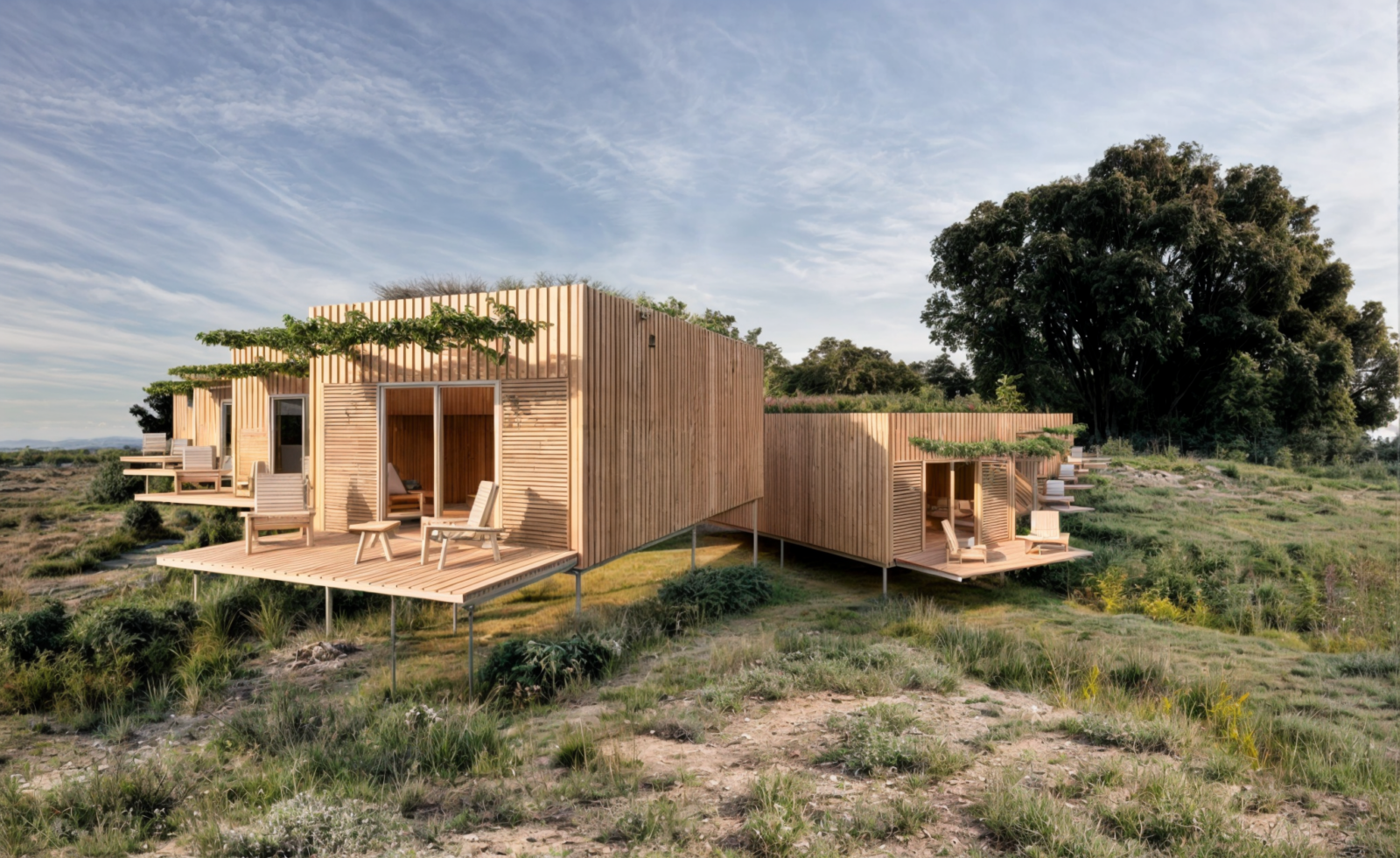
The proposed development would expand the constructed area from the existing 547.26-square-metre farmhouse to a total of 2,644.64 square metres. Plans include transforming the farmhouse into a 20-room hotel, constructing 13 new bioclimatic cabins spanning 1,210.73 square metres, and creating a 782.29-square-metre indoor wellness area with 1,698.97 square metres of outdoor space. The wellness facility would feature saunas, Turkish baths, jacuzzis, heated and cold pools, artificial beaches, outdoor showers, and a salt cave built partially over an existing irrigation pond. The proposal also includes a 287.86-square-metre interpretation centre and the conversion of a 348-square-metre agricultural warehouse.
The objections argue that the PRUG strictly forbids new tourist constructions built by private companies within the natural park. Furthermore, Torrevieja’s General Urban Development Plan (PGOU) classifies the plot as protected non-urbanisable land where existing buildings may only undergo conservation work until the end of their useful life, prohibiting consolidation, expansion, or modernisation.
AHSA also points out that the PRUG explicitly states that hotel constructions are not authorised, making any granted licence illegal. The environmental group noted that there is no record of the project securing a Declaration of Community Interest, which is required for hotel developments on non-urbanisable land, meaning the environmental assessment and licence cannot legally be processed. Additionally, around 11 hectares of the plot consist of protected habitats of interest, including Mediterranean salt steppes and halophytic reed meadows.
Other Articles

New mobile phone filter against scam messages comes into force
Crevillent Mediaeval Market offers local food and free activities next weekend
