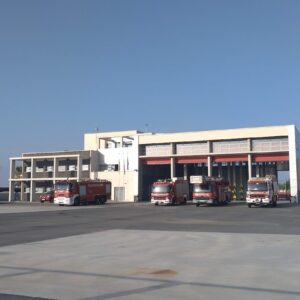



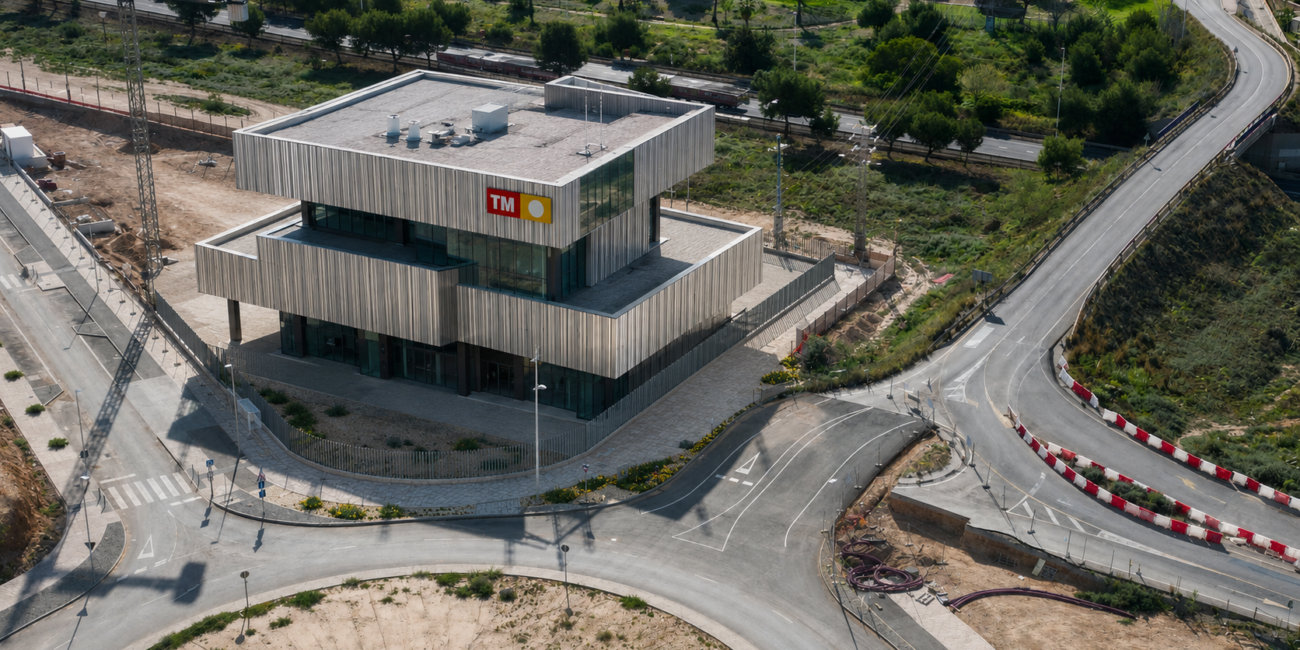
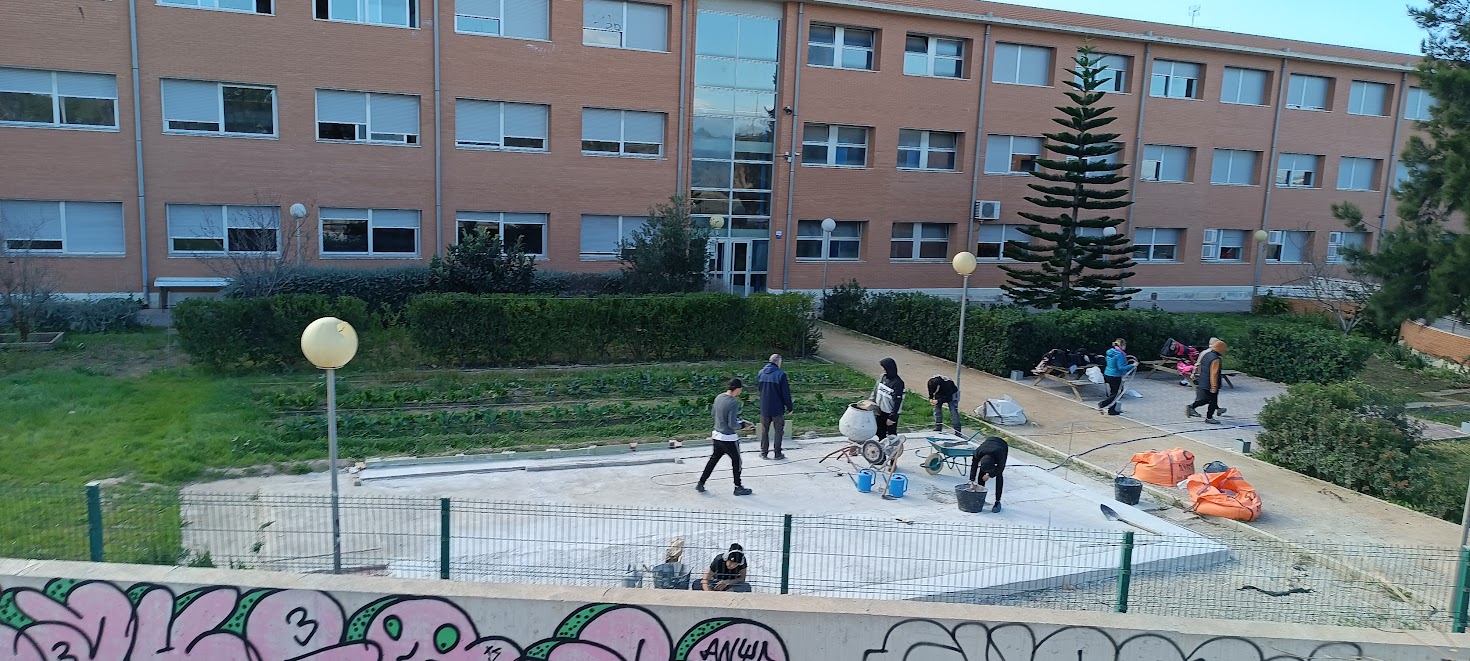
The ridge over the N-332 variant next to the IES Mare Nostrum and the storm tank to lessen the evacuation of the sector, which has more than 1.8 million square metres of drainage basin in the Torrevieja lagoon, are two crucial infrastructures included in the urbanisation works of the La Hoya plan whose impact extends beyond the scope of the macro-urban development project itself.

Spending plan
The first infrastructural project, which is expected to cost €2.5 million, entails adding a pedestrian walkway, lighting, and two lanes to the bridge deck, which now has one lane in each direction. However, the Torrevieja City Council, which owns the bridge, must finish administrative processes and cooperate with the Ministry of Transport’s Directorate General of Highways before the developer in charge of funding and executing the project can move forward. We have not yet started this process. Additionally, according to current schedules, the infrastructure won’t be operational till mid-2027, and the bridge won’t be constructed until Phase III of the urban development project has begun.
Traffic
The bridge’s inability to manage local traffic is starting to pose issues. There is a lot of traffic between the CV-905 and Avenida de las Cortes Valencianas since the roadways in Phase I of the large-scale urban development opened in August 2025. This is made worse by problems with pedestrian access as more people cross the bridge, which coincides with the growth of an area where some 300 of the more than 7,400 planned dwellings have already been constructed.
Risky
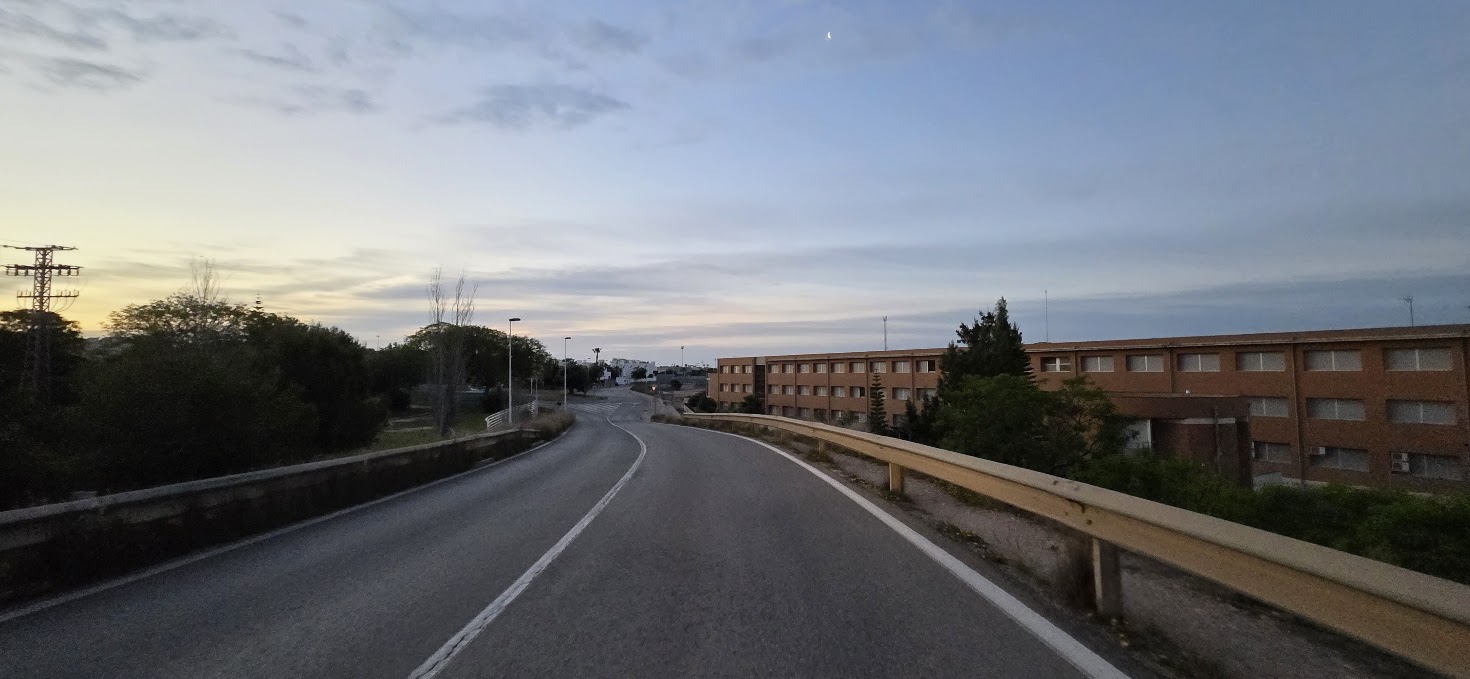
Although residents and students from the nearby IES Mare Nostrum cross the bridge on foot on a daily basis, it is extremely dangerous without pavements. The road has no hard shoulders. Despite the obvious risk on the upper section, which lacks a railing and overlooks the N-332 highway itself, there is a small dirt path used as a crossing between the unprotected embankment of the bridge, which has a drop of more than seven metres, and the guardrails of each lane. This path is not maintained by the municipality.
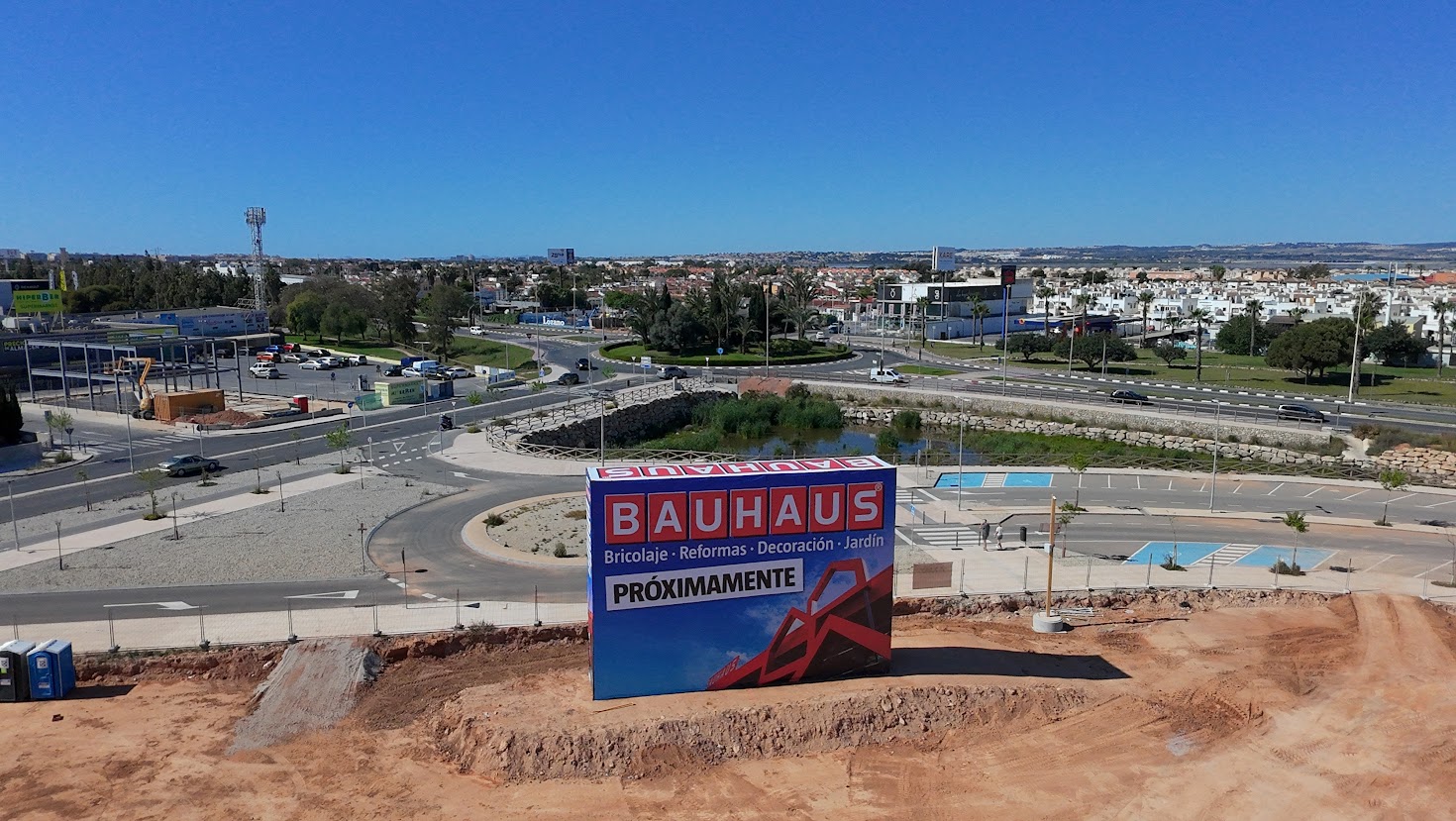
In the meantime, major construction licenses for houses on different plots in Phase I of the sector—which was finished in August 2025—continue to be approved by the governing board. Additionally, commercial spaces are being constructed, such the Bauhaus shop on Avenida José Carreras.
Floods
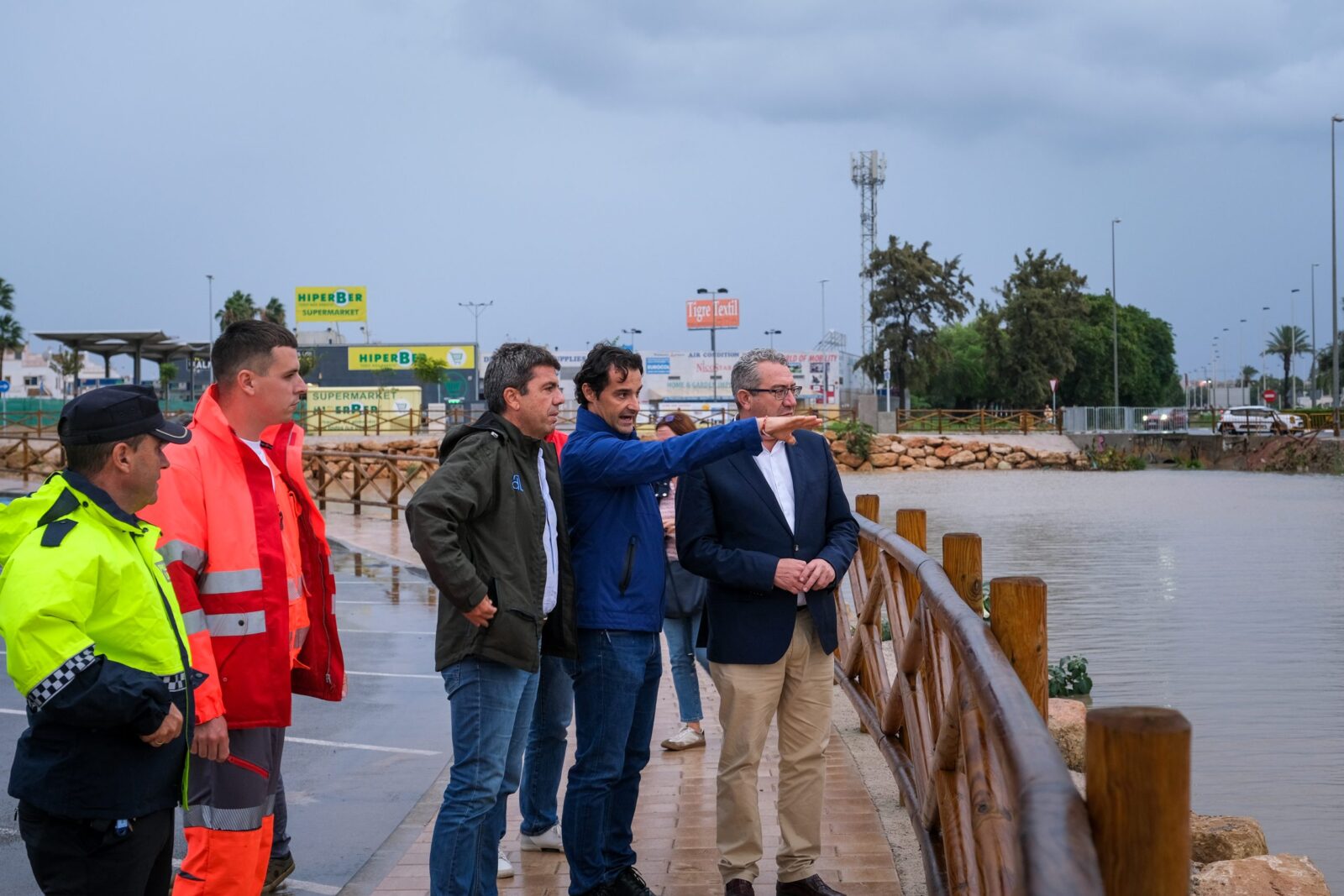
The stormwater tank, which would be able to lessen the significant influx of rainfall that reaches the retention basin constructed in the sector’s first phase each time it rains, even if only moderately, is the other unfinished infrastructure project that has to be created as soon as feasible. Near the La Hoya sector, the basin, which stretches along the CV-905 for over a kilometre, is devoid of a drainage connection.
Only seepage into the subsurface lowers the level of stored water. The magnitude of the affected area and the fact that it also collects water from the canal opened alongside the road means that the lack of a good drainage link continues to cause flooding, even though the large trench has decreased the risk of flooding on the CV-905 road itself.

The last time that happened was in October of last year. Once more, the City Council is required to provide land for the storm tank; however, the transfer of this land, which is also municipal property, has not been settled, at least not by a governing board resolution or order. In this instance, the land is situated in the Las Torretas zone, which is outside the actual development area.
This tank is part of the 2018 municipal stormwater management master plan, which was ultimately unsuccessful because the company that was given the comprehensive water service contract was unable to complete the planned investment of more than €40 million in exchange for extending its contract past its concession period, which ends in November 2028, because of legal issues with the proposal. Through an underground collector that runs down the greenway to the Torrevieja salt marsh, the programme seeks to direct all runoff from the watershed to the lagoon.
From the beginning until the end of the Vive Plan
The contract to build hundreds of public housing units in the La Hoya sector was announced in July 2025 by the City Council and the Generalitat, the regional government of Valencia. These would be the first apartments constructed under the Vive Plan, which was one of former President Carlos Mazón’s primary recommendations. In terms of quantity, they would be among the most important projects of this flagship regional public housing plan.
The PP (People’s Party) governing team of Mayor Eduardo Dolón is currently unconcerned about the complicated beginning of the urban planning process for the sector—Phases II and III have not yet started, and the urbanisation phases must be completed concurrently with housing construction. Before the elections, there is still a year to advertise the beginning of construction on City Hall’s official social media platforms. Dolón has previously contradicted himself by claiming that the final award was made in October and that the contract issued in July was only temporary.
Although the project has been postponed, this has allowed the Generalitat to raise the price modules for protected housing, which will compel the firms Livanto and Grupo Hozono, who have been awarded a licence in this area, to adjust their proposals.
Following the scandal of the Les Naus development in Alicante, where some of the homes ended up in the hands of civil servants and public officials, the City Council has rented a space on Caballero de Rodas Street next to the Town Hall to establish what it has called the municipal housing office. This office will handle requests for information, process housing applications, and show that it has decision-making authority over allocations that depend on the Generalitat, whose regulations regarding access to the apartments will be tightened.