

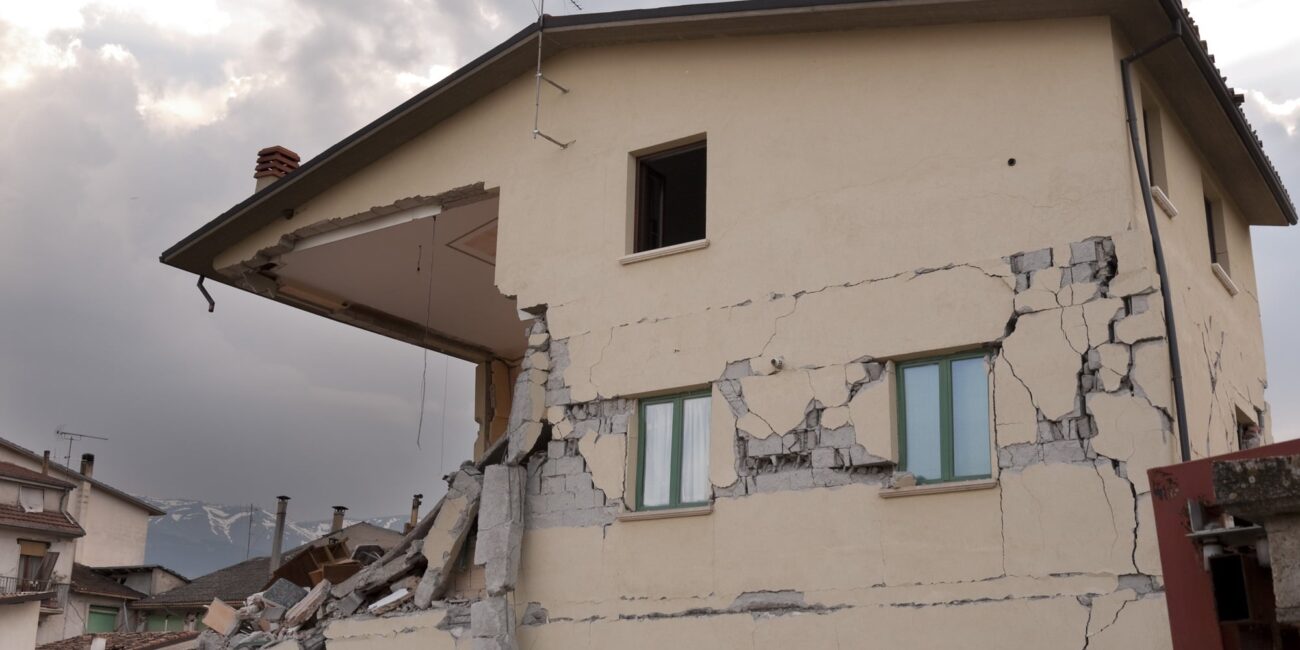
More than thirty municipalities across the Valencian Community, along with the city of Valencia itself, currently lack a mandatory Municipal Action Plan (PAM) for seismic risk management, despite legal requirements. The plans are designed to organise resource allocation, alarm protocols, evacuation routes, meeting points, and rescue operations during emergencies like earthquakes. Local councils are responsible for commissioning the drafting of these documents, which are subsequently reviewed for compliance by the Valencian Agency for Security and Emergency Response (AVRSE), supported by a regional grant programme.

Out of 327 municipalities required to hold a plan, 34 towns and the city of Valencia have not completed the process. Currently, 16 towns have drafted their documents and are awaiting approval from the Civil Protection Commission of the Valencian Community under Law 13/2010. Four other local councils are actively preparing their plans, while the remainder have not begun the process. In Valencia, where the seismic intensity is rated at 7.5, city hall sources confirmed work is underway with the University of Alicante to formulate its preparedness plan.
The highest seismic activity in the region is concentrated in southern Alicante, notably around Torrevieja and Alcoy. Within the Vega Baja region, where seismic intensity ranges between 8.5 and 9.5, four municipalities—Guardamar del Segura, Torrevieja, Redován, and San Isidro—lack an active Seismic Action Plan, though San Isidro’s plan is awaiting approval. The 2011 regional emergency plan identifies Torrevieja, alongside Los Montesinos, Rojales, and Benijófar, as the areas facing the greatest seismic risk due to probable intensity and potential impact on infrastructure and life. The document highlights the 21 March 1829 earthquake in Vega Baja, which reached an intensity equivalent to IX-X and caused nearly 400 deaths.
Although listed by the agency as lacking a plan, Torrevieja Town Council submitted its document in 2023 and has conducted emergency drills, including a major earthquake and tsunami exercise in February involving over 350 personnel, rescue helicopters, a seaplane, drones, and specialised units. Elsewhere, Alcoy maintains its required plan, while neighbouring Ibi does not have one.
In the province of Alicante, El Campello, Xixona, and Callosa d’En Sarrià lack a plan despite a seismic intensity of 8, whereas Monóver and Villena await approval. Confrides, Castell de Castells, La Vall de Laguar, and Javea are currently in the approval phase. In Valencia province, Beniflà, Oliva, Rótova, Alcoleja, Gorga, and Catadau await plan approvals. Municipalities lacking plans entirely include L’Eliana, Riba-roja, San Antonio de Benagéber, Godella, Catarroja, and Massanassa. Meanwhile, Albalat dels Sorells, Bonrepòs i Mirambell, La Pobla de Farnals, Rocafort, Aldaia, and Quart de Poblet have submitted drafted plans for compliance checks, while Paiporta is in the drafting phase.
In areas where a PAM is merely recommended due to medium seismic intensity, 38 out of 76 identified towns have chosen to prepare or approve a plan, including Ademuz, Bejís, Calpe, Estivella, Náquera, Rafelbunyol, and Utiel. Conversely, Requena, with a population of nearly 21,000 and a seismic intensity of 6.5, has not considered drafting a plan.
Other Articles

Torrevieja Civil Protection volunteer Ana dies aged 70
Woman dies after being struck by TRAM train in Villajoyosa